In This Article
- Why a Roller Coaster? The Core Symbolism
- Breaking Down Your Specific Roller Coaster Dream
- From Dream to Waking Life: What Is Your Subconscious Signaling?
- When a Roller Coaster Dream Might Be More Than Just Stress
- Your Questions About Roller Coaster Dreams, Answered
- Tips for Better Sleep and Fewer Anxiety Dreams
You wake up, heart maybe still pounding a little, the phantom sensation of a drop in your stomach. The vivid images are fresh: tracks twisting ahead, the climb, the sudden plunge. A classic dream of a roller coaster. It's one of those dreams that sticks with you, isn't it? More intense than dreaming about being late for work, more symbolic than dreaming about your teeth falling out. It feels significant.
And you're right to wonder. These dreams are packed with meaning. They're not random. Your brain is using this powerful, universal symbol – the roller coaster – to process something happening in your waking life. Maybe it's excitement, maybe it's dread. Often, it's a messy, thrilling, terrifying mix of both.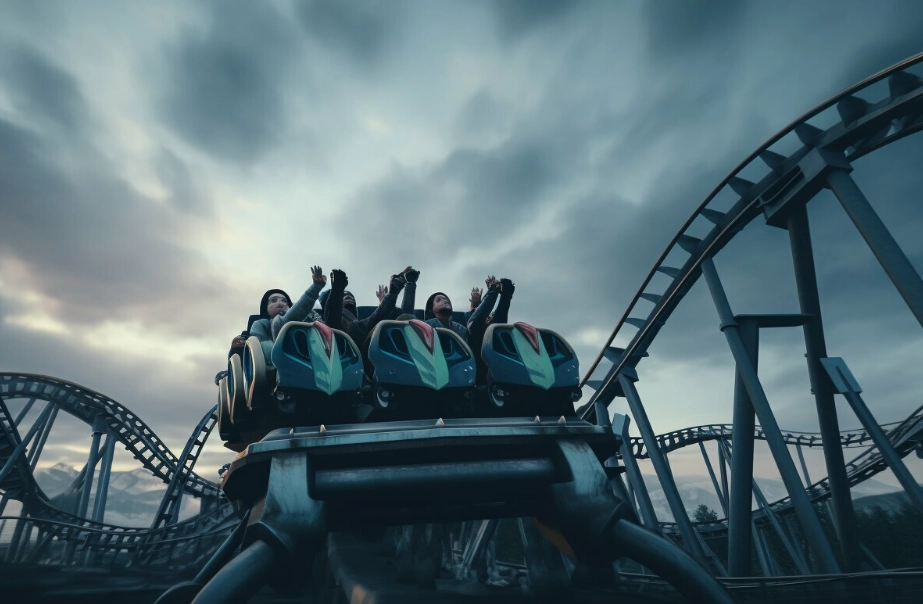
I've had them too. One memorable one featured a coaster that went straight through my old office building. Weird, right? It got me digging into what these dreams are really about. So let's ditch the vague, one-size-fits-all dream dictionary entries. Instead, let's unpack the different layers of a roller coaster dream. We'll look at the psychology, the common scenarios, and most importantly, what your specific version might be trying to tell you.
Why a Roller Coaster? The Core Symbolism
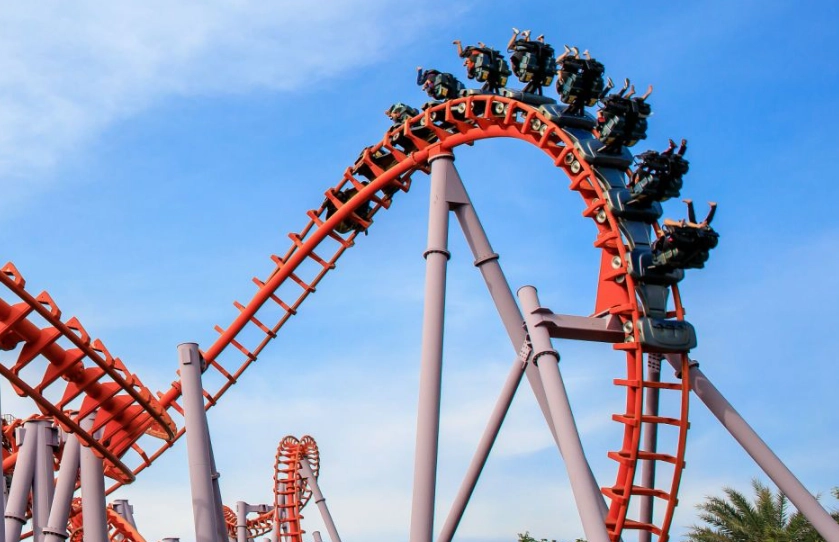
Think about what a roller coaster is. It's a controlled experience of chaos. You're strapped in, you've chosen to be there (mostly), and you're taken on a wild ride of unpredictable ups, downs, twists, and turns. You have zero control once it starts. Sound familiar?
That's why this dream symbol is so potent. It directly mirrors emotional and life experiences.
- Lack of Control: This is the big one. The dream of a roller coaster often pops up when you feel life is happening to you. A project at work has taken a wild turn, a relationship is on-again-off-again, global news is overwhelming – you're just along for the ride, holding on tight.
- Emotional Extremes: The high climbs represent anticipation, hope, or excitement. The steep drops are fear, anxiety, or loss. The rapid twists are confusion, sudden changes, or difficult decisions. Your mind is physically simulating your emotional state.
- Life's "Ups and Downs": It's the most literal interpretation, but often the most accurate. Are you celebrating a big win (an up) while worrying about a family issue (a down)? The dream encapsulates that simultaneous contrast.
- Thrill vs. Terror: This is the personal lens. Was your dream of a roller coaster fun or frightening? Your answer here is a huge clue. Did you scream with joy or with pure fear? The same event in life can be seen as an adventure by one person and a trauma by another.
I find the control aspect is what resonates with most people. We like to think we're in the driver's seat of our lives. A roller coaster dream is a blunt, nighttime reminder that sometimes, we're just passengers.
Breaking Down Your Specific Roller Coaster Dream
Not all roller coaster dreams are the same. The details matter—a lot. Here’s a look at some common variations and what they might point to.
Common Scenarios and Their Meanings
| Dream Scenario | Possible Interpretation & Life Context |
|---|---|
| Dreaming of being on a roller coaster that's climbing slowly, endlessly. | You're in a phase of prolonged anticipation or anxiety. Building up to a big event (a wedding, a launch, a move), waiting for test results, or working towards a long-term goal. The tension is building, and the drop (the outcome) hasn't arrived yet. |
| Dream of a roller coaster that is out of control or broken. | This signals a feeling that things are not just unpredictable, but dangerously so. You might perceive a situation as chaotic, unsafe, or beyond any reasonable management. Think major instability at work, a health scare, or a relationship crisis. |
| Dreaming of watching a roller coaster but not riding it. | You're an observer to chaos or drama, perhaps in someone else's life (family, friends) or in the world at large. It can also indicate hesitation—you see an opportunity or a risky path but aren't ready to commit to the ride yourself. |
| Dream of a roller coaster that is fun and exhilarating. | This is a positive sign! Your subconscious is framing a current life challenge as an adventure. You might be embracing change, taking a healthy risk, or simply enjoying a dynamic, if busy, period. You feel alive in the process. |
| Dreaming of being stuck on a roller coaster, unable to get off. | A classic anxiety dream about being trapped in a situation. You might feel stuck in a job, a financial commitment, or a repetitive cycle you can't break. The dream highlights a desperate desire for an exit that you can't see in waking life. |
See how the feeling changes everything? A dream of a roller coaster that's fun is worlds apart from one that's terrifying, even if the basic imagery is the same.
My "office building" coaster dream? It was definitely in the "out of control" category. The tracks made no logical sense, going through conference rooms and the cafeteria. Looking back, it perfectly captured my feeling at that job—a chaotic, illogical environment where normal rules didn't apply. I felt like I was just on a crazy, nonsensical ride someone else designed. Not a fun one.
The Emotional Color of Your Dream
Let's go deeper. Ask yourself these questions about your specific roller coaster dream:
- Were you alone or with people? (Alone can emphasize isolation in your struggle; with others might relate to shared experiences or social anxieties.)
- Was the coaster in a familiar place (like your hometown) or a strange fantasy land? (Familiar places tie the emotion directly to your real-life environment.)
- Did the ride ever end? (A dream that loops or never finishes can point to an unresolved, ongoing issue.)
These nuances are your personal dream code. A dream of a roller coaster with your old school friends points to unresolved dynamics from that time, or current situations that mirror those old feelings.
From Dream to Waking Life: What Is Your Subconscious Signaling?
Okay, so you've decoded the symbols. Now, the million-dollar question: what should you do about it? A dream is a signal, not a prophecy. It's data about your inner state.
Here’s a practical approach to use your dream of a roller coaster as a tool for self-reflection.
- Identify the "Ride" in Your Life. As soon as you can after waking, jot down the dream details. Then, with a clear mind later, ask: "Where in my life right now do I feel the most 'on a roller coaster'?" Is it your career, your love life, your family, your finances? Pinpoint the area.
- Assess Control and Choice. In that area, how much real agency do you have? Sometimes we feel out of control when we actually have more options than we think. Could you make a small choice to regain a sense of steering? Even deciding to talk to someone about it is taking back a bit of control.
- Check Your Emotional Fuel. Are you running on excitement, fear, or burnout? The dream's emotion is a direct readout. If it was pure terror, it's a sign to find ways to soothe that anxiety in waking life—maybe through meditation, exercise, or setting better boundaries. If it was thrilling, consider how to channel that positive energy.
- Look for the Exit or the Safety Bar. In the dream, was there a safety bar you were holding? That can symbolize your support systems. Lean on them. Was there no exit? That's your cue to brainstorm, even wildly, what an "exit" or a pause would look like in your real-life situation.
This isn't about finding one magical answer. It's about starting a conversation with yourself that your roller coaster dream initiated.
Think of the dream not as a problem, but as a very vivid, emotional report from your inner self. It's saying, "Hey, pay attention to this area. It's a lot right now." Your job is to listen and then decide what, if any, action to take.
When a Roller Coaster Dream Might Be More Than Just Stress
Most of the time, a dream of a roller coaster is tied to everyday stressors and emotions. But sometimes, recurring or intensely disturbing versions can be linked to deeper psychological patterns.
For example, some therapists note that frequent dreams of chaotic, uncontrollable rides can be associated with general anxiety tendencies. The brain rehearses the feeling of being overwhelmed. If your dreams are consistently this intense and are affecting your sleep or daily mood, it might be worth exploring this with a professional. The American Psychological Association has resources for finding qualified therapists who can help with anxiety and stress-related issues, which often manifest in our dreams.
Similarly, if the dream follows a specific traumatic event, it could be part of the mind's processing mechanism. The roller coaster becomes a metaphor for the unpredictable, shocking nature of the trauma. Organizations like the National Institute of Mental Health (NIMH) provide authoritative information on post-traumatic stress and coping mechanisms.
This isn't to alarm you.
For most of us, it's just stress. But it's good to know the full spectrum.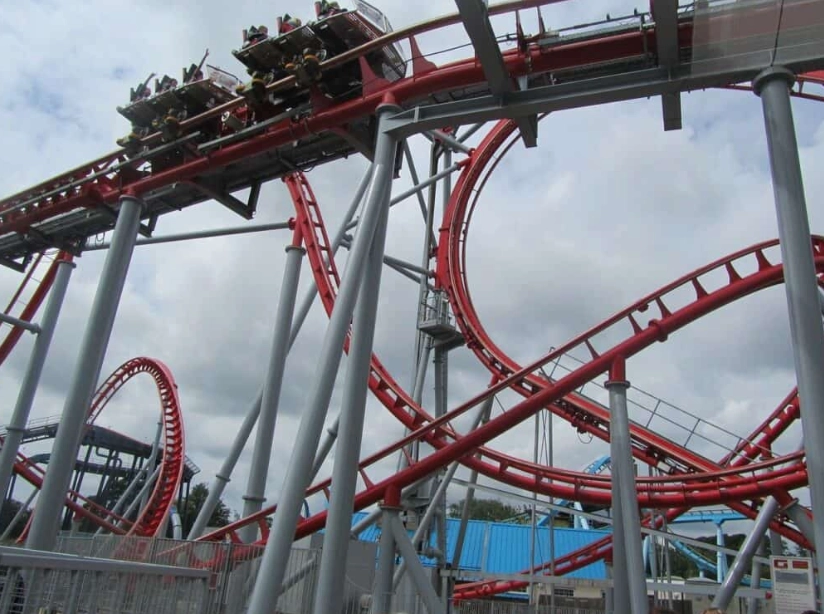
Your Questions About Roller Coaster Dreams, Answered
Tips for Better Sleep and Fewer Anxiety Dreams
If your roller coaster dreams are more on the stressful side and you'd like to calm your dream life, improving your sleep hygiene is the best place to start. A tired, stressed brain is more likely to produce chaotic dreams.
- Wind down for real. The hour before bed, avoid screens, work emails, and stressful news. Read a (physical) book, listen to calm music, do some gentle stretching. Give your brain a chance to shift gears.
- Journal it out. If you're feeling the "roller coaster" feelings during the day, write them down before bed. It's a way of telling your brain, "I've acknowledged this, we can park it for now." Sometimes, just the act of writing about a worry can reduce its power to invade your dreams.
- Mind your intake. Heavy meals, caffeine, and alcohol too close to bedtime can disrupt sleep architecture and lead to more vivid, sometimes unpleasant dreams. The Sleep Foundation has excellent, science-backed guides on how these substances affect sleep quality and dream content.
- Create a mental "safe landing" image. As you're falling asleep, gently guide your mind to a calm, stable, peaceful place. A quiet beach, a cozy room, a still forest. This sets a different intention for your subconscious as it drifts off.
It's not about never having a dream of a roller coaster again. That's unlikely, especially since life is full of ups and downs. It's about creating a mental environment where those dreams are less likely to be terrifying and more likely to be manageable or even interesting signals you can learn from.
So the next time you have that dream of a roller coaster, don't just shake it off with your morning coffee. Pause for a second. Ask yourself what ride you're on in your waking life. Listen to what the dream is trying to tell you about your emotions, your sense of control, and your current journey.
It might just give you the perspective you need to enjoy the climb and brace for the drops a little better. Or maybe even to design a more interesting track for yourself.






Comments
Join the Conversation