You wake up with that image stuck in your mind—a fish, gasping, floating listlessly, or lying still at the bottom of a tank. A dream about a dying fish can leave you feeling uneasy, even a bit sad, long after you've opened your eyes. It's a powerful symbol that most generic dream dictionaries get wrong. They'll give you a one-line answer about "lost opportunities" and call it a day. But after years of exploring dream symbolism, I've found the meaning is almost never that simple. This dream is a direct signal from your subconscious about your emotional vitality, your environment, and parts of your life that feel unsupported. Let's break down what your mind is really trying to tell you.
What You’ll Find in This Guide
7 Common Interpretations of a Dying Fish Dream
Forget the vague definitions. The context is everything. A fish in a dream often represents emotions, intuition, creativity, or even spiritual nourishment. Its state of health directly mirrors the state of these elements in your life. Here’s a detailed breakdown of the most frequent meanings, based on the specific details people remember.
| Core Meaning | Detailed Explanation & Why It Fits | Common Triggers in Waking Life |
|---|---|---|
| Emotional Depletion or Burnout | This is the most common one. Water symbolizes emotion, the fish is your emotional self. A dying fish suggests your emotional reserves are critically low. You might be giving too much in a relationship, a caregiving role, or a high-stress job without receiving support. It’s not just being tired; it’s a warning that your inner well is running dry. | Long-term stress, people-pleasing, lack of personal boundaries, compassion fatigue. |
| Feeling Out of Your Element | Where is the fish? In a tiny bowl? On a carpet? A fish out of water is a classic metaphor. The dream amplifies this. It points to a situation where you feel you don’t belong, your skills aren't valued, or the environment is toxic to your well-being. You're struggling to "breathe" in that context. | A hostile work culture, a mismatched relationship, moving to a new place where you feel isolated. |
| Neglected Intuition or Creativity | Fish move through the unseen depths—they symbolize the subconscious and intuition. A dying fish can mean you're ignoring your gut feelings or letting a creative spark fade. You know something is wrong or have a great idea, but you're not acting on it, allowing it to wither. | Ignoring red flags in a situation, postponing a passion project, constant logical overanalysis. |
| A Relationship or Project Deteriorating | The fish can represent something you've nurtured. A partnership, a business venture, a long-term goal. Its dying state shows this endeavor is failing due to lack of attention, incompatible elements, or it has simply run its natural course. The dream forces you to look at its failing health. | A friendship growing distant, a startup running out of funding, a hobby you've lost interest in. |
| Spiritual or Psychological Transformation | This is a more positive, though challenging, angle. In some traditions, death in dreams symbolizes the end of one phase and the start of another. The old "you," an outdated belief, or a past trauma is dying to make way for new growth. It's painful but necessary. | Post-therapy breakthroughs, leaving a religion, recovering from an addiction, major life transitions. |
| Fear of Loss of Vitality (Health Anxiety) | Sometimes, a symbol is more literal. If you or someone close is facing health issues, the dying fish can mirror fears about vitality, life force, and mortality. It's the mind's way of processing anxiety it can't express during the day. | Personal illness, aging, a family member's health diagnosis, pandemic-related anxiety. |
| Guilt or Regret Over Past Actions | Did you cause the fish to die in the dream? Were you negligent? This points directly to guilt. You may feel responsible for "killing" an opportunity, hurting someone's feelings, or making a poor decision that had negative consequences. The dream is a stage for your self-reproach. | Ending a relationship, a professional failure you blame yourself for, harsh words you can't take back. |
Look at that table. See how "lost opportunity" is only a small slice? Most websites stop there, which is a disservice. A client once told me about a recurring dream of a beautiful koi dying in a murky pond. She was fixated on the "lost opportunity" idea. But when we talked, the key was the murky water. She was in a legal battle with a family member, and the emotional environment (the water) was so poisoned (murky) that her own peace (the fish) couldn't survive. The dream wasn't about a missed chance; it was about surviving a toxic system.
How to Decode Your Specific Dying Fish Dream Scenario
The devil—and the true meaning—is in the details. Ask yourself these questions immediately upon waking. Jot down the answers in a notes app or journal.
The Environment and Water
This tells you about your emotional landscape.
- Clean, clear water turning dirty: A situation that started well is now corrupted. Think of a good job that's become political, or a relationship losing its trust.
- A cramped, small bowl: You feel trapped, restricted, with no room to grow or move. This is classic for feeling stifled in a role or living situation.
- An ocean or large lake: The issue is vast, related to your overall life direction or deep subconscious fears, not just a daily stressor.
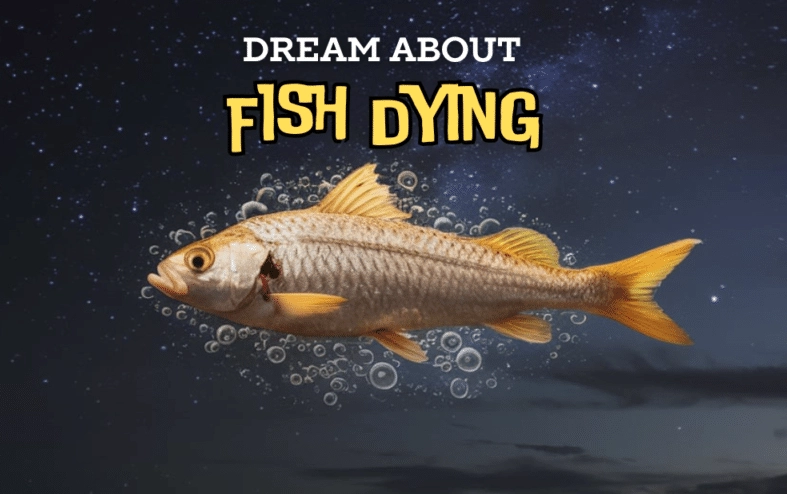
- No water at all (fish on ground): Extreme. You feel completely out of place, publicly exposed, or emotionally desiccated.
The Fish Itself
This represents the specific part of you or your life under threat.
Colorful tropical fish: Your creativity, joy, or unique spirit is dying.
A large, old fish: Could symbolize wisdom, a long-held belief, or an aging part of yourself.
A school of fish dying: Not just a personal issue, but something affecting your community, family, or team.
Your own pet fish: Makes it very personal. This is about something you feel directly responsible for nurturing.
Your Actions and Emotions in the Dream
This is crucial. Your dream-self's reaction shows your waking attitude.
If you feel nothing, or worse, indifference, that's a red flag. It signals emotional numbness or dissociation from a problem you know is serious. If you caused the death through neglect or action, lean into the guilt interpretation—what are you neglecting in real life?
What to Do After a Dying Fish Dream: Practical Steps
Don't just analyze it and move on. The dream is a call to action. Here’s a concrete plan.
- Immediate Journaling: Write down everything from the section above. Don't edit. The first connections your brain makes are often the most accurate.
- The "Where's the Water?" Audit: Look at your life. Which area feels most like the dream environment? Your job? Your home? Your social circle? Label it. "My work team is the murky water."
- Identify the "Fish": What in that environment is struggling? Is it your confidence (the fish)? Your work-life balance? A specific project?
- One Small Action to Clean the Water: You can't always save the fish immediately, but you can improve its environment. If work is toxic, could you set a boundary to not check email after 7 PM? That's cleaning a cup of water in a dirty tank. It's a start.
- Seek Nourishment: Counteract the symbolism. The fish needs healthy water. What nourishes your emotions or creativity? A 20-minute walk? A real conversation with a friend? Schedule it. Literally.
I had a period where I dreamed of a dying betta fish in a cloudy vase every week. I journaled about "murky water" and realized it was my freelance schedule—completely blurred, no boundaries. The "fish" was my focus. My small action was to use a physical planner and block off "deep work" hours in green. The cloudiness (the overwhelm) began to clear, and the dreams stopped. It wasn't a giant life change; it was a systemic tweak.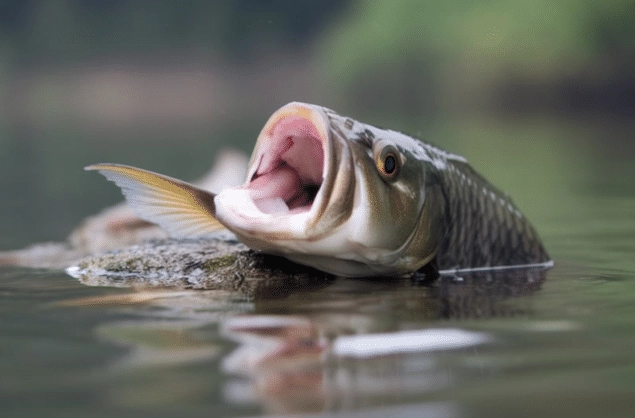
Dying Fish Dreams: FAQs from Real Dreamers
A dream about a dying fish is never just a random nightmare. It's a focused diagnostic tool from your own psyche. It pinpoints where your emotional ecosystem is under threat. By moving past generic meanings and interrogating the specific scenery, actors, and plot of your dream, you can translate its message into a real-world action plan. Start by asking not "What does this mean?" but "Where in my life does this feel true?" The answer is your first step toward cleaner water.










Comments
Join the Conversation