You jolt awake, heart pounding, the image of a towering wall of water still vivid behind your eyelids. Dreaming of a big wave is one of those experiences that sticks with you. It's not a gentle, lapping-at-the-shore kind of dream. It feels significant, urgent, sometimes terrifying. Most of the time, our first instinct is to search for a quick meaning online, often landing on generic interpretations like "impending change" or "repressed emotions." While those aren't wrong, they barely scratch the surface. After years of tracking my own dreams and discussing them with therapists and fellow dream enthusiasts, I've found that the real value lies in the specifics—the color of the water, your position relative to the wave, and, most importantly, what you do in the dream.
Let's get one common misconception out of the way: a big wave dream is rarely a literal premonition of a tsunami or flood. Your subconscious is a master of metaphor, not a weather forecaster. The wave is a symbol, and a powerful one at that. It represents a force much larger than your conscious self—unconscious emotions, external pressures, or life transitions that feel overwhelming. Ignoring this dream as just "weird brain noise" means missing a potent message from your inner self about your current emotional landscape.
Navigate Your Dream: A Quick Guide
Breaking Down the Meaning: More Than Just Fear
The standard interpretation you'll find everywhere links big waves to emotional overwhelm. Sure, that's often a core component. But it's lazy to stop there. The wave's nature and your interaction with it reveal layers of meaning.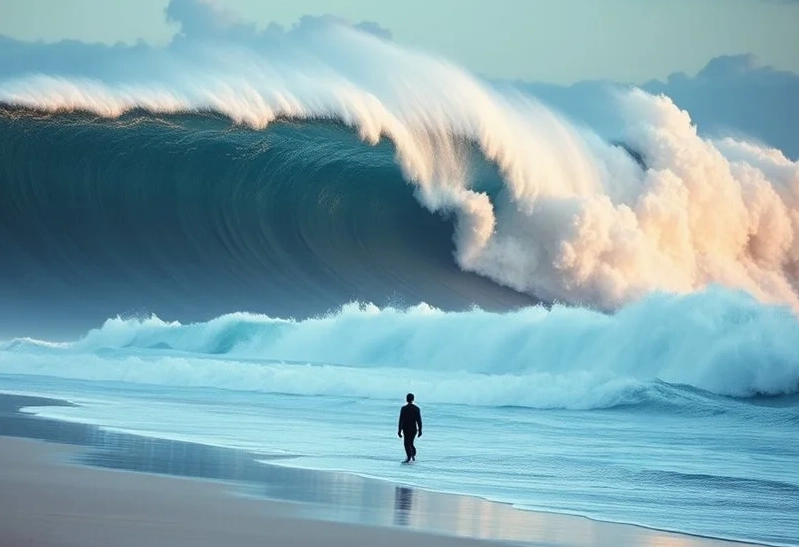
The Emotional Tsunami: Unprocessed Feelings
This is the most direct link. That wave is often a visual representation of feelings you haven't fully acknowledged or expressed—anxiety about a work deadline that's become a constant background hum, grief you've tried to compartmentalize, or simmering anger in a relationship. The wave isn't the problem; it's the culmination of the problem. Think of it as your psyche's way of saying, "Hey, you can't keep bottling this up. It's getting too big to ignore."
I remember a period where I was "fine" on the surface but dreaming of dark, stormy waves weekly. It was only when I connected it to a deep-seated fear of failing in a new career path that the dreams began to shift. The wave was my fear, given form and magnitude.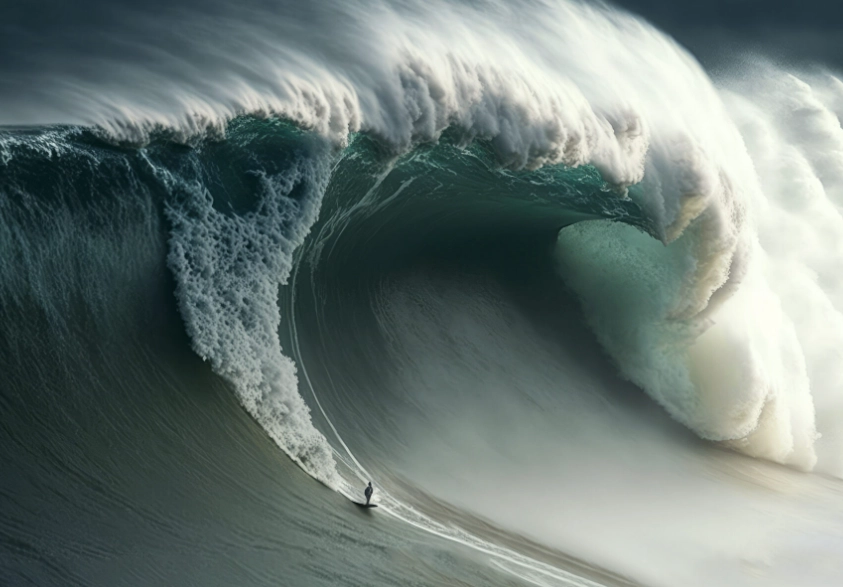
Facing Overwhelming Change or Pressure
Is there a situation in your waking life that feels like it's looming over you, inevitable and powerful? A pending move, a major financial decision, a relationship crossroads, or even the collective anxiety of world events. The big wave can symbolize that external pressure. The key detail here is often your distance from the wave. Seeing it far out at sea suggests awareness of a future challenge. Having it crash over you means you're in the thick of it, feeling consumed.
A Spiritual or Cleansing Interpretation
In many spiritual and Jungian frameworks, water symbolizes the unconscious mind and emotions. A great wave, then, can represent a powerful influx from the unconscious—a surge of intuition, a forgotten memory resurfacing, or a call for deep psychological cleansing. It might feel disruptive because integrating this new psychic material requires change. This dream could be prompting a period of introspection, suggesting that old patterns need to be washed away to make room for something new.
How to Interpret Your Specific Big Wave Dream
Forget one-size-fits-all meanings. Your dream is unique. To decode it, you need to become a detective of your own subconscious. Don't just ask "What does a big wave mean?" Ask "What did MY big wave mean?" Here's a method I've used for years.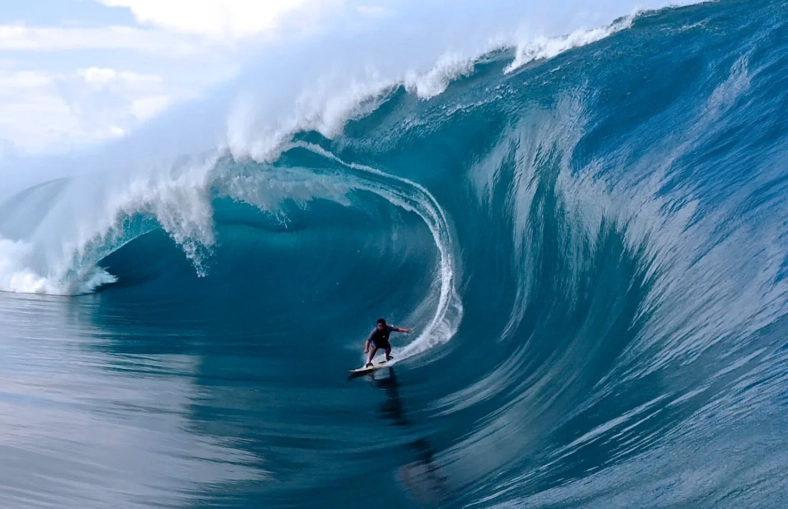
Step 1: Recall the Scene with Sensory Detail. As soon as you wake up, before you even move, try to capture the details. Was the water dark and stormy or a surprising turquoise? Was the wave crashing on a city, a deserted beach, or a cliff you stood upon? Could you hear it? Feel spray? These details are your first clues.
Step 2: Pinpoint Your Role and Action. This is the most critical part. Were you running, standing still, surfing, or watching safely from a high point? Your action (or inaction) reveals your subconscious attitude toward the challenge the wave represents.
Step 3: Connect to Waking Life. This is where the magic happens. With the dream details fresh, scan your current life. What feels "wave-like" right now? Is there an emotion you're avoiding? A decision you're procrastinating on? A change you feel powerless against? The connection often feels like a quiet "aha" rather than a loud revelation.
To help you start, here’s a table linking common dream scenarios to potential interpretations. Use it as a springboard, not a final answer.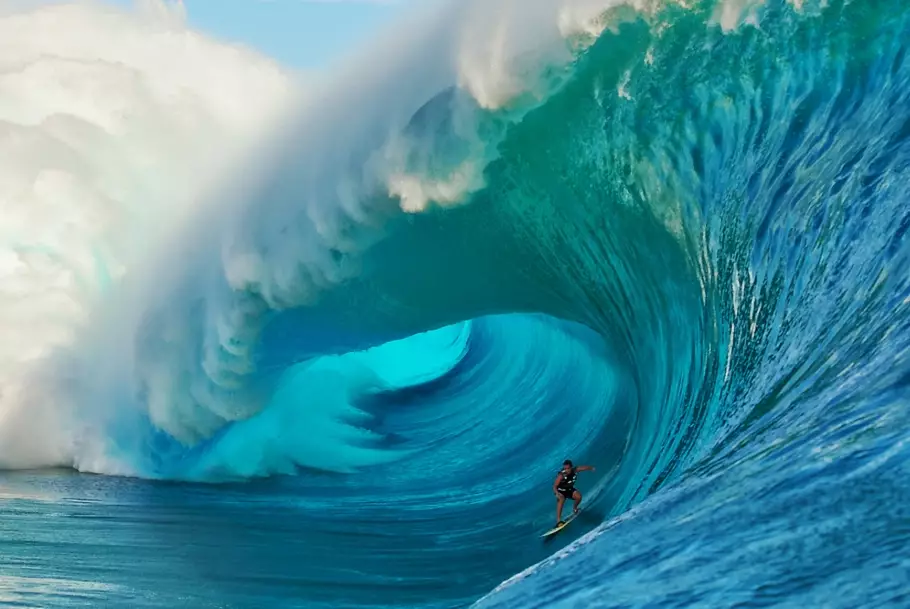
| Dream Scenario | Key Details to Note | Possible Interpretation Direction |
|---|---|---|
| Running from the Wave | Do you escape? Does it gain on you? | Avoidance of a pressing issue or emotion. The feeling that you can't outrun a problem. |
| Standing Still, Watching It Approach | Your emotional state: paralyzed fear, calm acceptance, or curiosity? | Anticipating a major change. Feelings of resignation, preparedness, or detached observation. |
| The Wave Crashes Over You | What happens after? Do you drown, resurface, or get swept away? | Feeling completely consumed or overwhelmed by a situation. A sense of being in over your head. |
| Surfing or Riding the Wave | Are you in control or barely hanging on? | Attempting to navigate a powerful force or change. Can indicate skill or a struggle to stay afloat. |
| Observing from a Safe High Place | Your vantage point and emotional response. | Gaining perspective on a challenging situation. You see the "big wave" but are not currently in its path. |
What to Do After the Dream: Practical Coping Strategies
A disturbing dream can leave a residue of anxiety all day. It's not enough to just interpret it; you need to process the energy it released. Here are actionable steps, moving from internal processing to external action.
Immediate Grounding Techniques
When the fear feels real, your nervous system is activated. Tell it it's safe.
- 5-4-3-2-1 Method: Name 5 things you see, 4 things you can touch, 3 things you hear, 2 things you smell, 1 thing you taste. It forcibly anchors you in the present.
- Journal the Raw Emotion: Don't analyze yet. Just write: "I woke up feeling terrified. The wave felt cold and endless." Getting it out of your head and onto paper diminishes its power.
- Physical Movement: Shake out your limbs, stretch, take a walk. This discharges the fight-or-flight energy the dream triggered.
Turning Insight into Action
Once you've grounded yourself and identified a potential waking-life link, take a small, concrete step. The goal isn't to "solve" the big wave, but to address the trickle of water that started it.
If the dream pointed to work stress, could you block one hour tomorrow to tackle the most nagging task? If it's about a relationship tension, could you formulate one calm sentence to open a conversation? If it's general anxiety, could you schedule 10 minutes of quiet time today, just to breathe? The action is a signal to your subconscious: "Message received. I'm on it."
Many people find that after they take even a symbolic action related to the dream's theme, the intense wave dreams subside, often transforming into more manageable imagery.
Real Dream Scenarios and What They Might Mean
Let's apply this to some specific, detailed examples. Names and minor details are changed, but the core dreams are real.
Case 1: The Tsunami Dream Before a Wedding. "Sarah" dreamed of a massive, dirty tsunami wave approaching the coastal town where her wedding was planned. She was on a hill, trying to warn everyone, but no one listened. She felt frantic. Interpretation: This wasn't a fear of marriage, but of the overwhelming logistics and family expectations (the "dirty" water suggesting messy complications). Her position on the hill showed she had awareness of the stress, but feeling unheard reflected her frustration that others didn't grasp her anxiety. The link? She needed to delegate tasks and voice her need for practical help.
Case 2: The Surfer Dream During Career Stagnation. "Mark" kept dreaming of trying to surf a colossal wave but always wiping out just before the crest. He'd wake up frustrated. Interpretation: The wave here symbolized a big career opportunity or creative project he desired. Surfing indicated his attempt to master it. The consistent wipe-out pointed to a core belief—right before success, he'd fail. This mirrored his waking-life pattern of abandoning projects at the final stage. The dream was highlighting this self-sabotaging loop.
Case 3: The Calm Observation Dream After a Diagnosis. After a serious health diagnosis, "Elena" dreamed of sitting on a high, solid cliff, watching a gigantic but silent wave roll in the distance. She felt a deep, sad calm. Interpretation: The wave clearly represented the health crisis. Her safe, high vantage point indicated she was processing it from a place of (hard-won) acceptance and perspective. The silence and distance suggested she was moving out of the initial shock phase. The dream reflected her internal shift toward facing the challenge with clarity rather than panic.
Your Big Wave Dream Questions Answered
I keep dreaming of a big wave over and over. Does that mean the event is definitely going to happen?
Is dreaming of a big wave always a bad sign or a warning?
How can I stop having scary big wave dreams?
What's the difference between dreaming of a tidal wave and a regular big wave?
Could dreaming of water like this be related to a physical cause?
Dreaming of a big wave is a profound encounter with your inner world. It's a call to pay attention, not a sentence to fear. By moving past generic meanings and investigating the unique story your dream is telling—the color, the action, the feeling—you transform a moment of nighttime anxiety into a powerful tool for self-awareness. The wave isn't there to drown you; it's there to show you what's rising to the surface, asking to be seen, and ultimately, navigated.








Comments
Join the Conversation