Waking up from a dream where the world is ending—fires, floods, asteroids, utter chaos—can leave you feeling rattled for hours, even days. Your heart might be pounding. The images feel too vivid, too real. The first question that usually pops into your head is the most alarming one: Is this a prophecy? A warning of things to come? Let me cut right to the chase. In over a decade of working with dream patterns, I've yet to see an apocalyptic dream that literally predicted a global catastrophe. These dreams are almost never about the external world collapsing. They're a profound, if dramatic, message about your internal world. They signal an ending, a transformation, or a pressure point in your psyche that feels just as massive and final as the end of days.
What’s Inside This Guide?
What Does It Mean to Dream About the End of the World?
Think of the "world" in your dream as a symbol for your personal reality—your job, a relationship, a belief system, your identity, or your current life structure. An end-of-the-world scenario, then, represents the perceived collapse of that reality. It's your mind's extreme way of processing extreme change or stress.
From a psychological perspective, drawing on frameworks like those discussed in resources from the American Psychological Association (APA) on stress and coping, these dreams often spike during periods of intense life transition. Graduating, divorce, a major move, losing a job, or even a significant internal shift in values can trigger them. The unconscious mind doesn't do subtlety well; it translates "my life as I know it is over" into literal worldwide destruction.
Spiritual and archetypal interpretations, influenced by thinkers like Carl Jung, view these dreams differently. They might symbolize the necessary death of the ego—the rigid sense of self—to make way for a more authentic you. The destruction clears the ground for something new to be built. It's a painful but potent rebirth metaphor.
Here’s a common mistake I see: people get fixated on the literal method of destruction. "Was it a flood or an earthquake?" That matters, but it's secondary. The primary data point is your emotional experience within the dream. Were you terrified? Weirdly calm? A helpless observer? A frantic hero trying to save people? That feeling is the direct translation of how you're handling the "end" in your waking life.
How to Interpret Your Apocalypse Dream: A Step-by-Step Guide
Don't just shrug it off. This dream is a rich source of information. Grab a journal and work through these steps. Let's use a hypothetical example: *You dream of a giant, silent wave engulfing coastal cities while you watch from a high hill, feeling a deep sadness but no panic.*
Step 1: Record the Details Immediately
Write down everything before the logic of the day washes it away. Use bullet points. What was destroying the world? Who was there? What were you doing? Most importantly, describe the dominant emotion in one or two words. For our example: Dominant Emotion: Resigned sadness.
Step 2: Identify the "World" That's Ending
Ask yourself: What in my life feels like it's crumbling, ending, or under unbearable pressure? Is it your career path? A long-term friendship that's fading? The belief that you "should" have your life figured out by now? For our wave dreamer, maybe it's the end of their role as the constant caregiver in their family, watching that dynamic dissolve.
Step 3: Analyze Your Role and Feelings
This is the gold. You're on a hill, not drowning. You're observing, not fighting. The sadness suggests mourning, not terror. This paints a picture of someone who sees a major change coming, feels the loss, but is ultimately safe from the destruction. They are not the victim of the wave.
Step 4: Connect the Symbolism to Waking Life
Water often relates to emotions. A massive wave could be a tidal wave of change in emotional relationships or family structures. The high ground suggests you have some distance or a new perspective. The interpretation becomes: "I am witnessing the end of an old emotional dynamic (my caregiving world). It makes me sad to see it go, but I am not being overwhelmed by it. I am safe in my new perspective."
Common Apocalypse Dream Symbols and Their Meanings
While your personal context is king, certain symbols carry common thematic threads. Use this table as a starting point, not a definitive dictionary.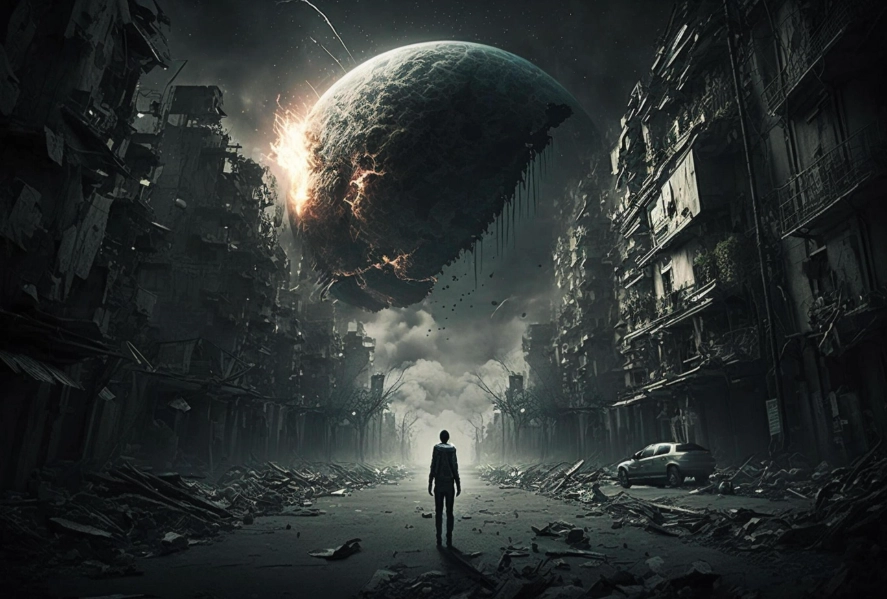
| Dream Symbol | Common Themes & Potential Personal Meanings |
|---|---|
| Flood/Tsunami | Being overwhelmed by emotions (grief, anxiety, change). Feeling like emotional boundaries are collapsing. A necessary cleansing or purge of old feelings. |
| Fire/Inferno | Intense anger, passion, or transformative energy. "Burning down" an old way of life. Purification through a painful but quick process. Uncontrolled rage or creativity. |
| Earthquake | The foundations of your life are shaking (job security, core beliefs, home life). A sudden, destabilizing revelation or change. Feeling like you have no solid ground to stand on. |
| Zombie Apocalypse | Feeling drained, on autopilot, or surrounded by people who seem emotionally "dead." Fear of losing your individuality. A monotonous routine that feels like it's consuming you. |
| Asteroid/Comet Impact | An unforeseen, external catastrophe. News or an event that "blindsides" you and changes everything. A sense of inevitable fate or a major impact from an outside source. |
| Nuclear Explosion | Explosive conflict (often internal). The devastating aftermath of a major argument or decision. Radioactive fallout can symbolize lingering toxicity or resentment. |
| Alien Invasion | Feeling like an outsider, or that something completely foreign is taking over your life. Anxiety about the unknown, technology, or forces beyond your understanding. |
Remember, a dream about a zombie horde for a new parent might be about sleep deprivation and loss of self, while for someone in a corporate job, it might mirror the soul-crushing routine. Always loop it back to your life.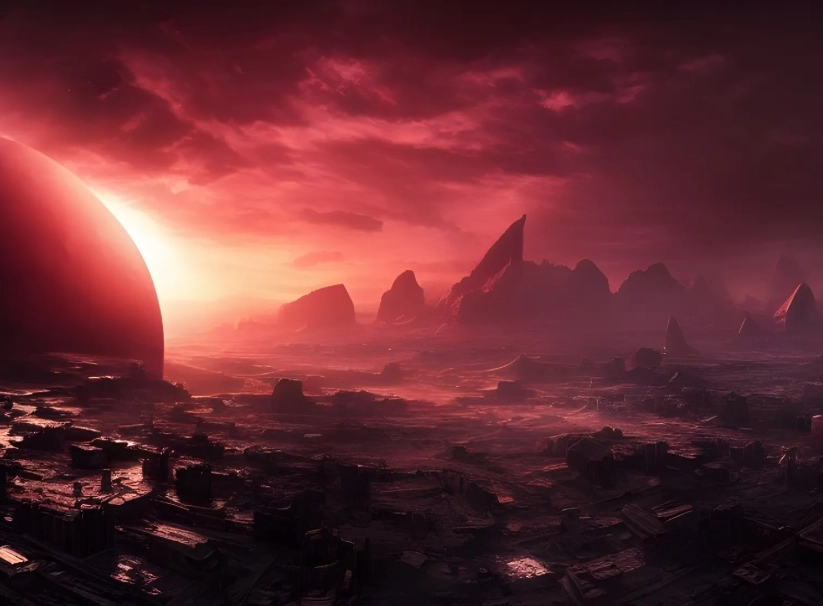
What to Do After an Intense End of the World Dream
The dream delivered its message. Now what? Don't just sit with the anxiety. Move the energy from your psyche into your waking life.
- Ground Yourself Physically. The dream was huge and metaphysical. Counter it with the physical. Feel your feet on the floor. Splash cold water on your face. Hold onto something solid. This tells your nervous system the "end" is not happening here and now.
- Engage in Creative Expression. Don't just write about the dream, draw it. Even stick figures. Sculpt it with clay. Let the images move from your head into a physical form. This process alone can drain their frightening power and offer new insights.
- Have a Practical Conversation. If the dream pointed to a real-life stressor (job anxiety, relationship trouble), take one small, tangible step to address it. Update your resume. Schedule a difficult talk. The action, however minor, rebuilds a sense of control.
- Seek Narrative, Not Just Analysis. Instead of just picking symbols apart, try writing the "next chapter" of the dream. What happens after the destruction? Do you see a green shoot in the rubble? Are you building a shelter? This shifts your mind from victim of the ending to author of the new beginning.
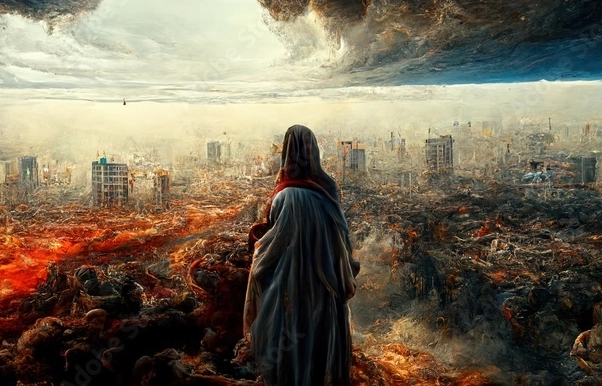
I once had a client plagued by tsunami dreams during her divorce. She started painting them. The first paintings were all terror. The fifth one had a small, sturdy boat in the wave. That was the turning point—her subconscious revealing her own resilience.
Frequently Asked Questions
I keep having recurring end of the world dreams. Does this mean something terrible is going to happen to me?
Recurrence is your psyche's way of hitting the alarm button louder because you haven't addressed the core issue in your waking life. It's not about a future external event; it's about a present internal conflict that's being ignored. The "terrible thing" might already be happening—like burnout, staying in a toxic situation, or betraying your own values. The dream repeats until you listen.
My apocalyptic dream felt incredibly peaceful and beautiful. Is that wrong?
Not at all. This is a fascinating variation. A peaceful or awe-inspiring end-of-the-world dream often points to a spiritual or ego-release experience. You might be ready to let go of an old identity or a burdensome life structure with a sense of acceptance, not fear. The destruction is seen as majestic or necessary. It suggests a deeper level of readiness for transformation.
Can these dreams be triggered by movies or video games?
Media can provide the visual imagery—the zombies, the asteroids—but it doesn't create the core emotional theme. Your mind grabs familiar images to dress up your personal stress. If you weren't in a state that resonated with "collapse," the movie might give you a weird dream, but not one that carries that profound, haunting weight. The trigger is your life; the imagery is just the costume.
How do I explain this to my partner/friend who thinks it's just a silly dream?
Don't lead with symbolism. Lead with feeling. Say, "I had a dream that really shook me up, and it's connected to some stress I've been feeling about X." This grounds it in your shared reality. You're not asking them to interpret comet symbolism; you're sharing your emotional state using the dream as the illustration. Most people will understand that.
Is there a difference between dreaming of the end of the world vs. surviving an apocalypse?
A crucial one. Dreaming of the catastrophic event itself often focuses on the pressure, fear, and collapse. Dreaming of surviving in the post-apocalyptic world shifts the theme to adaptation, resourcefulness, and building something new from the ruins. The latter dream often comes after the initial shock has passed, moving you into a problem-solving phase regarding the life change.










Comments
Join the Conversation