What You'll Discover in This Guide
Dreaming of a tsunami usually means you're feeling overwhelmed. It's that simple. But stick with me—there's a lot more to it. Most people wake up from these dreams with a sense of dread, and they're left wondering if it's a warning or just random brain noise. I've been studying dreams for over a decade, and I can tell you that tsunami dreams are rarely random. They often point to emotional floods, life changes, or hidden anxieties you haven't addressed.
Let's cut to the chase. In this guide, I'll break down what tsunami dreams really mean, using psychology, cultural insights, and real stories. You'll learn how to interpret your own dream and what practical steps to take next. No fluff, just actionable insights.
The Psychology Behind Tsunami Dreams
From a psychological standpoint, tsunami dreams are classic symbols of overwhelm. Think about it—a tsunami is a massive, unstoppable force of nature. In dreams, it often mirrors feelings you can't control in waking life.
Freudian and Jungian Perspectives
Freud might say tsunami dreams represent repressed emotions, like anger or fear, crashing into your consciousness. Jung, on the other hand, saw them as archetypes from the collective unconscious—symbols of transformation or chaos before growth. I lean toward Jung here, but with a twist. In my experience, these dreams often pop up when people are on the brink of a big decision, like changing jobs or ending a relationship. It's not just about fear; it's about the tension between holding on and letting go.
Modern Cognitive Theories
Modern psychology, like research from the American Psychological Association, suggests that dreams help process daily stressors. A tsunami dream might be your brain's way of simulating a high-stress scenario to prepare you. But here's a mistake I see often: people assume the dream is literal. It's not. Dreaming of a tsunami doesn't mean a real disaster is coming. It's metaphorical, pointing to emotional tides in your life.
Key Insight: Many online sources oversimplify tsunami dreams as just "stress." That's lazy. The context matters—like whether you're drowning in the dream or watching from afar. I'll get into that later.
Cultural Interpretations of Tsunami Dreams
Different cultures see tsunami dreams through unique lenses. In Eastern traditions, water often symbolizes emotion and flow. A tsunami might indicate a spiritual cleansing or a warning to balance your energies.
Eastern Symbolism
In some Asian cultures, dreaming of a tsunami can be seen as a sign from ancestors or nature spirits. It might urge you to reconnect with your roots or address family issues. I remember a client from Japan who had recurring tsunami dreams before reconciling with her sister. She saw it as a push to heal old wounds.
Western Folklore
In the West, tsunami dreams are often linked to biblical or mythological floods—think Noah's Ark. They symbolize purification or divine intervention. But honestly, in modern Western dream analysis, we focus more on personal psychology. Still, it's worth noting that these archetypes run deep.
One thing I've noticed: people in coastal areas tend to have more vivid tsunami dreams, probably because the imagery is familiar. It's a reminder that your environment shapes your dreams.
How to Interpret Your Own Tsunami Dream
Interpreting your dream isn't about finding a one-size-fits-all answer. It's about piecing together clues from your life. Here's a step-by-step approach I've developed over years of coaching.
Key Elements to Remember
- Your Role in the Dream: Are you running from the tsunami, swimming in it, or just observing? Running often means avoidance; swimming might suggest you're trying to navigate chaos.
- The Water's Color: Murky water could symbolize confusion, while clear water might indicate clarity emerging from turmoil.
- Aftermath: Does the dream end with destruction or calm? This hints at your subconscious outlook on the situation.
A Step-by-Step Guide
First, write down the dream as soon as you wake up. Details fade fast. Then, ask yourself: What's happening in my life right now that feels overwhelming? Is it work, relationships, or maybe an internal conflict?
Next, look for patterns. Have you had similar dreams before? Recurring tsunami dreams often point to unresolved issues. I once worked with a man who dreamt of tsunamis every time he ignored his creative side. When he started painting again, the dreams stopped.
Finally, don't overanalyze. Dreams are messy, and that's okay. Use them as a tool for reflection, not prophecy.
Case Studies: Real-Life Tsunami Dream Examples
Let's make this concrete with a few stories. Names are changed for privacy.
Case 1: Sarah, 32, Marketing Manager
Sarah dreamt of a tsunami hitting her office building. She was trapped inside, watching the water rise. In reality, she was drowning in deadlines and felt unable to speak up about her workload. The dream mirrored her sense of being overwhelmed at work. After we discussed it, she negotiated for help, and the dreams faded. Here, the tsunami was a direct symbol of workplace stress.
Case 2: David, 45, Artist
David dreamt of surfing a tsunami, feeling exhilarated rather than scared. Turns out, he was about to launch a risky art project. The dream reflected his excitement and fear of the unknown. Unlike Sarah, David's dream had a positive spin—it showed he was riding the wave of change, not drowning in it.
These cases show how context changes everything. Your personal life situation is the decoder ring for your dream.
What to Do After Dreaming of a Tsunami
So you've had the dream. Now what? Don't just shrug it off. Use it as a catalyst for action.
Practical Steps for Emotional Processing
- Journal: Write about the dream and your current feelings. Look for connections.
- Talk it Out: Share the dream with a trusted friend or therapist. Sometimes, saying it aloud reveals insights.
- Mindfulness Practices: Meditation or deep breathing can help calm the anxiety these dreams often trigger. I recommend apps like Headspace, but even five minutes of quiet reflection helps.
When to Seek Professional Help
If tsunami dreams become frequent and disrupt your sleep or daily life, consider seeing a therapist. It might be a sign of underlying anxiety or PTSD. Organizations like the International Association for the Study of Dreams offer resources for finding qualified professionals.
Remember, dreams are not diagnoses. They're clues. Use them wisely.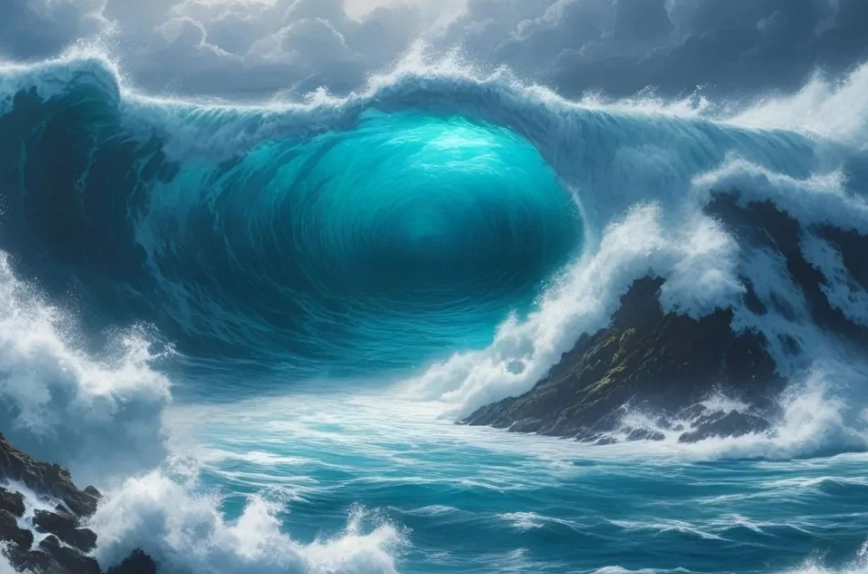











Comments
Join the Conversation