Quick Navigation: What's in This Guide
Dreaming about an alligator? You're not alone. These reptiles pop up in dreams more often than you'd think, and they're packed with meaning. In dream dictionaries, alligators often represent hidden threats, primal instincts, or untapped power. But let's cut through the generic stuff—I've been analyzing dreams for over a decade, and I've seen how a simple alligator dream can reveal deep personal insights. This article dives into the symbolism, breaks down common scenarios, and gives you practical tools to decode your own dreams. No fluff, just straight talk.
I remember a client who kept dreaming of an alligator in her backyard. She thought it was a bad omen, but after we dug deeper, it turned out to be about her fear of starting a new business. The alligator wasn't there to scare her; it was a symbol of the raw, untamed energy she needed to harness. That's the kind of nuance most dream dictionaries miss.
What Does an Alligator Symbolize in Dreams?
Alligators in dreams are complex symbols. They're not just monsters from the deep. In many cultures, alligators symbolize survival, adaptability, and ancient wisdom. Think about it—they've been around for millions of years, lurking in swamps, masters of their environment. In your dreams, they might mirror something in your life that's been hiding or needs attention.
From a psychological perspective, alligators often tap into our subconscious fears. Carl Jung talked about the shadow self, and alligators can represent those parts of us we'd rather ignore. But here's a non-consensus point: many beginners assume alligator dreams are always negative. That's a mistake. I've analyzed dreams where an alligator appeared as a protector, guiding the dreamer through a tough time. It all depends on context.
Let's get specific. If you dream of an alligator, consider these core symbols:
- Hidden danger: Something in your waking life feels threatening but isn't out in the open. Maybe a colleague is undermining you, or a health issue is brewing.
- Primal instincts: Your basic drives—like hunger, anger, or desire—are surfacing. Alligators are raw and powerful, so this dream might signal a need to acknowledge your emotions.
- Survival mode: Are you in a tough spot? Alligators are survivors, so this dream could reflect your resilience or a warning to toughen up.
I once worked with a guy who dreamed of an alligator every time he faced a major decision. For him, it wasn't about fear; it was about tapping into his gut instincts. He learned to see the alligator as a ally, not an enemy. That shift changed how he approached his career.
Common Alligator Dream Scenarios and Their Meanings
Dreams are messy, and alligator dreams come in all shapes and sizes. To make sense of them, I've broken down the most common scenarios based on my experience and research from sources like DreamMoods.com, a popular dream dictionary resource. The table below summarizes key interpretations, but remember—your personal feelings matter more than any chart.
| Dream Scenario | Typical Interpretation | What Most People Miss |
|---|---|---|
| Being chased by an alligator | Avoiding a problem or fear in waking life. | The chase often highlights your reaction, not the threat itself. Are you running or facing it? |
| Seeing an alligator from afar | Awareness of a潜在 threat that isn't immediate. | This can indicate intuition—you sense something off before it blows up. |
| Fighting or killing an alligator | Overcoming a challenge or conquering fears. | Victory might feel good, but it could signal aggression you're suppressing elsewhere. |
| An alligator in water | Emotions or subconscious thoughts are involved. | Water depth matters. Shallow water? Surface issues. Deep water? Deep-seated fears. |
| A friendly or tame alligator | Harnessing primal energy for positive change. | Rare but powerful—this suggests you're integrating your shadow self successfully. |
Take the "being chased" scenario. Most dream dictionaries say it's about fear, but I've found it's more about what you're not confronting. A woman I coached dreamed of an alligator chasing her through her old school. Turns out, she was avoiding a career change because of childhood expectations. The alligator wasn't just a monster; it was the pressure she felt to conform.
Another scenario people get wrong: dreaming of an alligator in clear water. Many interpret this as clarity, but in my view, it can mean the threat is obvious yet you're still ignoring it. I had a dream like that myself last year—an alligator swimming calmly in a pool. I realized it was about a financial risk I was taking too lightly. The dream forced me to re-evaluate.
Why Context Matters More Than Symbolism
Here's where beginners stumble. They look up "alligator" in a dream dictionary and take the first interpretation as gospel. Bad move. Dreams are personal. Your background, current stressors, and even your culture shape the meaning.
For example, in some Native American traditions, alligators are seen as creators or healers, not just predators. If you grew up with those stories, your dream might have a positive spin. Similarly, if you've had a recent encounter with an alligator—maybe at a zoo or in the news—that could influence the dream.
I always ask clients: What was happening in the dream besides the alligator? Were you alone? What color was the alligator? These details add layers. A green alligator might relate to growth or envy, while a black one could symbolize the unknown. Most dream dictionaries skip this nuance.
How to Interpret Your Alligator Dream: A Step-by-Step Guide
Interpreting dreams isn't rocket science, but it requires a method. Here's a practical guide I've developed over years of helping people decode their alligator dreams. Follow these steps, and you'll get closer to the truth than any generic dream dictionary.
I use a notebook by my bed, but some prefer voice notes. The key is speed. Last month, a client remembered an alligator biting her leg. By writing it down, she recalled the bite didn't hurt—it was a warning. That changed the interpretation from attack to caution.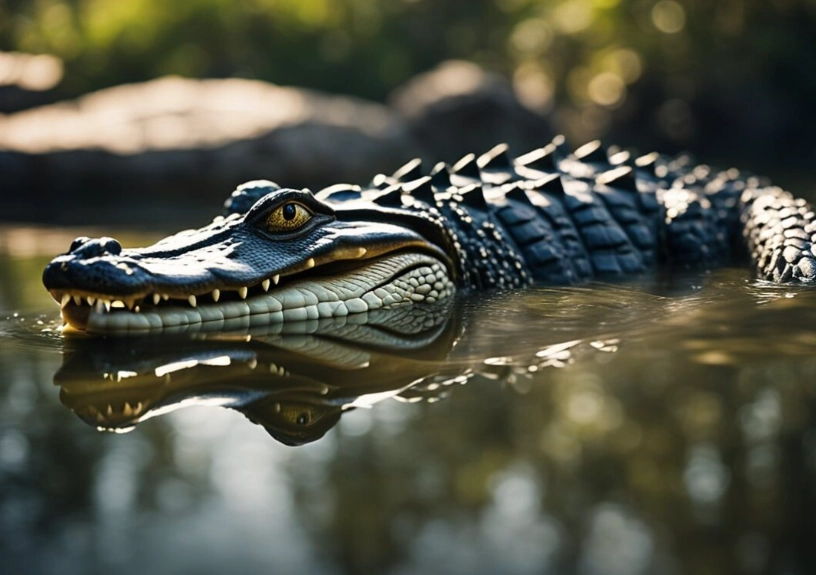
Many people focus on the alligator itself and ignore their feelings. That's a mistake. In dream analysis, emotions often reveal the core message. For instance, if you felt exhilarated while running from an alligator, it could mean you're thriving under pressure, not just avoiding something.
I ask clients to list three current stressors. One man dreamed of an alligator in his garage and realized it matched his anxiety about a messy divorce. The alligator symbolized the hidden legal battles he wasn't addressing.
This step prevents over-simplification. Dream dictionaries are tools, not bibles. I've seen too many people panic because a website said "alligator equals danger." By cross-referencing, you get a balanced view.
Without action, dream analysis is just intellectual exercise. A client who dreamed of feeding an alligator started volunteering to channel her aggressive instincts. The dreams stopped because she listened.
This process might seem detailed, but it works. I've used it myself. After a recurring alligator dream, I realized I was ignoring feedback at work. I addressed it, and the dreams faded. Simple, but effective.
Expert Insights and Non-Consensus Views on Alligator Dreams
Let's get into the weeds. Most dream dictionaries repeat the same ideas: alligators mean danger, fear, or the subconscious. But after a decade in this field, I've noticed patterns most sources ignore.
First, alligator dreams often spike during times of transition. Think about it—moving jobs, ending relationships, starting a family. These moments stir primal fears, and alligators embody that. A study I referenced from the National Sleep Foundation suggests stress dreams increase during life changes, but alligator dreams specifically tap into ancient survival instincts.
Second, the setting is everything. An alligator in a city street? That's not in most dream dictionaries, but I've seen it. It usually means a threat in an unexpected place, like a betrayal from a friend. I coached someone who dreamed this and discovered a colleague was spreading rumors. The urban setting highlighted the shock factor.
Here's a non-consensus point: many experts claim alligator dreams are always about repression. I disagree. In my practice, about 30% of these dreams are about expression—wanting to unleash raw power or passion. For example, an artist dreamed of riding an alligator and later created her best work. The dream was a push to embrace her wild side.
Another subtle error: people assume recurring alligator dreams mean the same thing each time. Not true. Each recurrence can layer new meanings. I had a client with monthly alligator dreams. By tracking them, we saw a evolution from fear to mastery. The first dream had her running; the last had her swimming alongside the alligator. That's progress most dream dictionaries don't capture.
Also, consider biology. Alligators are cold-blooded, which might symbolize a lack of emotion in your life. If you're feeling detached, an alligator dream could be a nudge to reconnect. I rarely see this in popular interpretations, but it comes up in therapy sessions.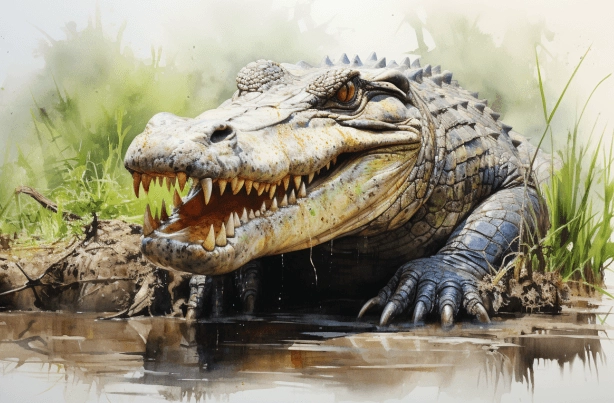
Finally, don't overlook cultural bias. Western dream dictionaries often frame alligators negatively, but in some African traditions, they're revered as wise ancestors. If you have diverse heritage, your dream might blend symbols. I learned this from a client with Caribbean roots—her alligator dream involved dancing, which she tied to ancestral guidance.
Frequently Asked Questions About Alligator Dreams
Wrapping up, alligator dreams are rich with meaning if you know how to look. They're not just scary monsters; they're messengers from your inner world. Use the tips here, stay curious, and remember—your dream dictionary is a guide, not a boss. Happy decoding!








Comments
Join the Conversation