You jolt awake, heart racing, from a dream where a toilet is overflowing—water everywhere, that panicked feeling. It's messy, unsettling, and weirdly common. Most people shrug it off as random nonsense, but after a decade of analyzing dreams, I can tell you it's anything but. This dream packs a punch about control, emotions, and stuff you're probably ignoring in waking life. Let's cut through the fluff and get straight to what it means and how to deal with it.
Quick Navigation: What's Inside This Guide
What Does Dreaming of a Toilet Overflowing Really Mean?
At its core, a toilet overflowing dream symbolizes loss of control and emotional overflow. Think about it—toilets handle waste, things we discard, and when they overflow, it's like your subconscious screaming, "Hey, you're not dealing with your crap!" Literally. But it's not just about stress; that's too vague. I've seen clients where this dream popped up during life transitions—like starting a new job or ending a relationship—where they felt overwhelmed by unexpressed feelings.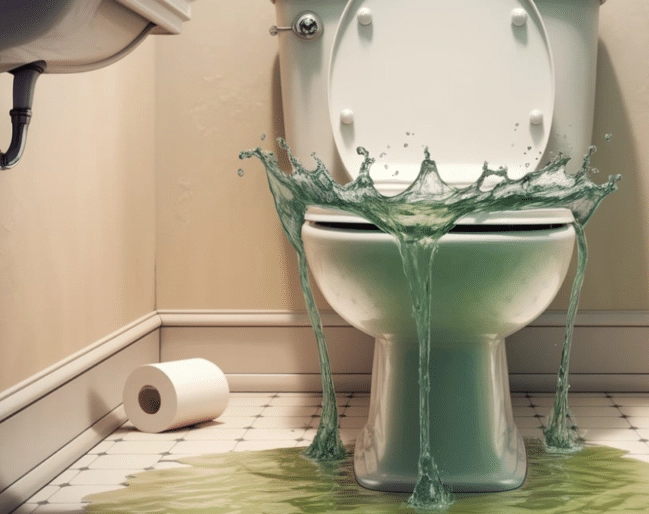
Take my friend Sarah. She dreamt of her bathroom flooding every night before a big presentation. Everyone told her it was nerves, but digging deeper, it was about fear of embarrassment if things went wrong. The toilet represented her private anxieties spilling into public view.
The Basic Symbolism: More Than Just a Mess
Toilets in dreams often link to purification and release. When they overflow, it suggests the release mechanism is broken. You might be holding onto emotions—anger, guilt, frustration—that are bubbling up. I disagree with sites that say it's always negative; sometimes, it's a nudge to finally address something before it explodes.
Cultural Interpretations Across the Globe
In some Eastern traditions, water dreams relate to emotions, and an overflow can mean emotional abundance needing management. Western psychology, referencing sources like the American Psychological Association's insights on dream analysis, often ties it to anxiety. But here's a non-consensus view: in my experience, people from rigid backgrounds dream of this more often, hinting at suppressed creativity.
The Psychology Behind Toilet Overflow Dreams
Why does our brain cook up such a bizarre scenario? Psychologists have theories. Freud might say it's about repressed sexual or anal issues—yeah, that old chestnut. Jung would see it as a shadow aspect, parts of yourself you're ignoring. Modern views, like those from cognitive psychology, suggest it's your mind processing daily stressors through metaphor.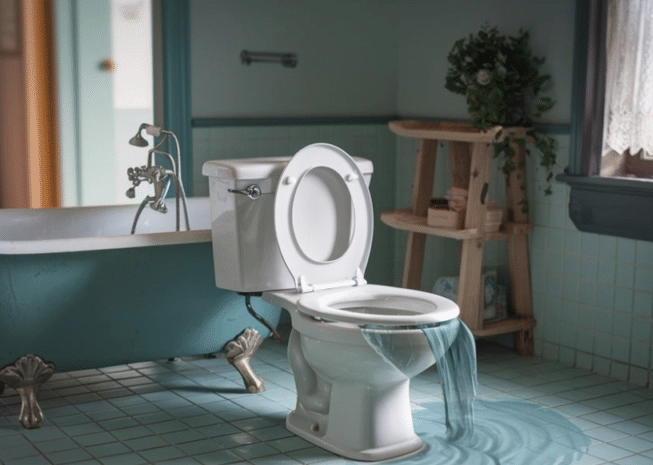
I lean toward a blend. The toilet is a private space; overflowing breaches that privacy. It often mirrors real-life situations where you feel exposed or unable to contain emotions. For example, if you're a caregiver constantly putting others first, this dream might signal your own needs are "overflowing" unmet.
Freudian and Jungian Perspectives: A Quick Take
Freud's interpretation focuses on childhood and bodily functions, which feels outdated to me. Jung's approach is richer—he'd say the dream invites you to integrate neglected parts. In practice, I've found clients who explore this angle discover insights about self-care gaps.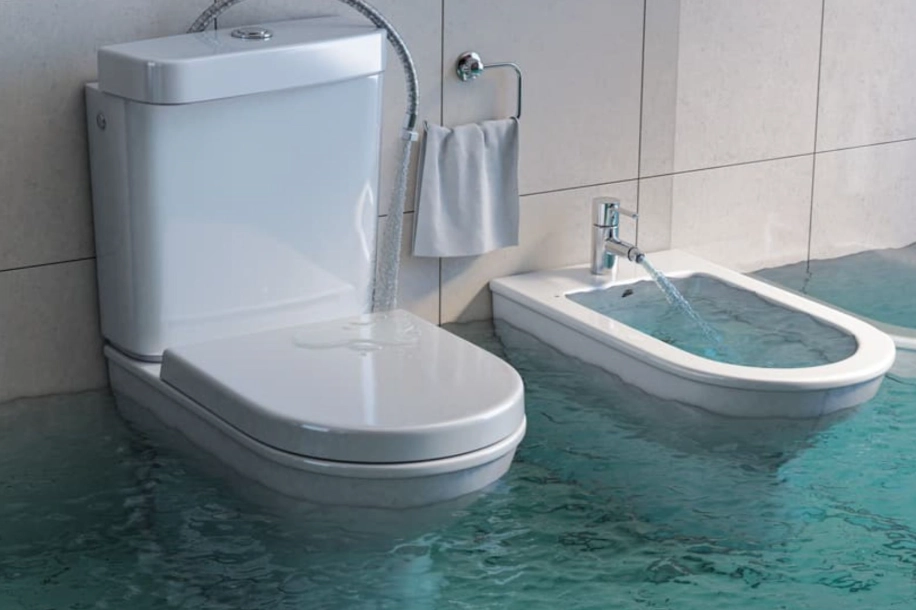
Modern Psychological Views: Stress vs. Specific Triggers
Most articles drone on about general stress, but that's lazy. Research in journals like Dreaming indicates context matters. A toilet overflow dream after a fight with a partner differs from one during tax season. The former might relate to relational "waste," while the latter to financial overwhelm. Pinpointing the trigger is key.
Common Dream Scenarios and What They Mean
Not all toilet overflow dreams are the same. The details—where it happens, who's there—change everything. Here's a table breaking down frequent scenarios I've cataloged from years of discussions.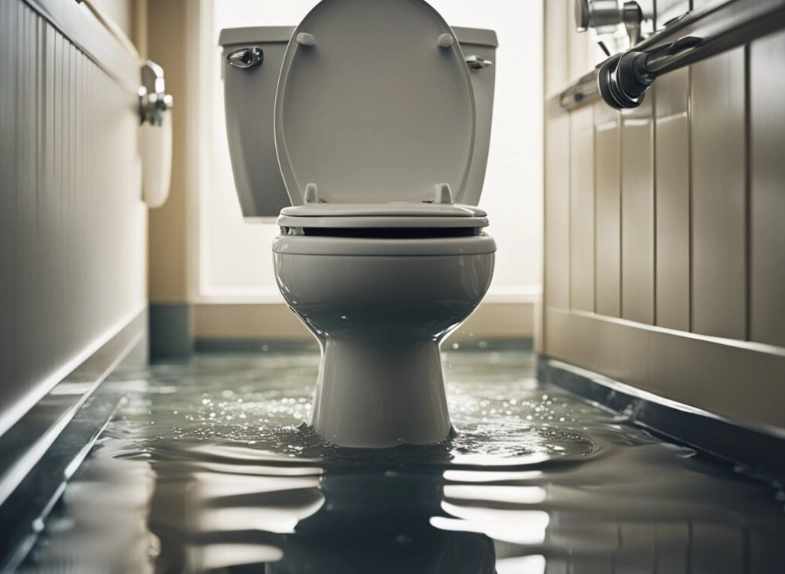
| Dream Scenario | Possible Interpretation | Actionable Insight |
|---|---|---|
| Toilet overflowing at home | Personal or family issues boiling over, like unresolved arguments or hidden tensions. | Have a direct conversation with household members; journal to identify specific conflicts. |
| Toilet overflowing in a public place | Social anxiety or fear of embarrassment, often linked to work or social events. | Practice exposure techniques for anxiety, like rehearsing presentations or social scenarios. |
| Toilet overflowing with clear water | Emotional overload that's relatively pure—maybe sadness or grief needing expression. | Allow yourself to cry or talk to a friend; don't bottle it up. |
| Toilet overflowing with waste | Feeling contaminated by negative experiences or guilt from past actions. | Consider forgiveness exercises or therapy to release guilt. |
| Toilet overflowing and you can't stop it | Helplessness in a situation, often related to health or financial stress. | Break the problem into small, manageable steps; seek professional advice if needed. |
See how specific it gets? A client once dreamt of an office toilet flood during a merger. It wasn't just stress—it was fear of losing control in a new hierarchy. We worked on assertiveness training, and the dreams faded.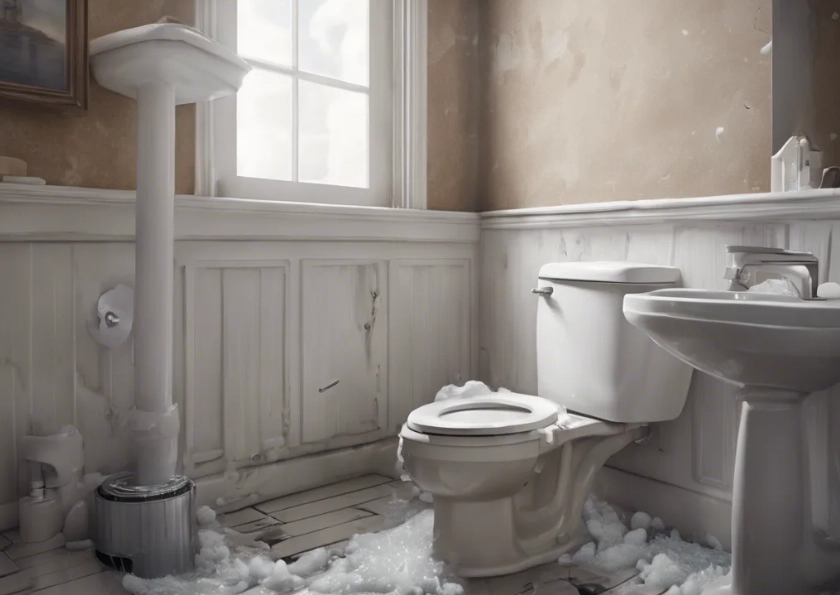
Why Scenario Details Matter More Than Generic Symbolism
Many dream dictionaries stop at "toilet = emotions," but that's like saying "food = hunger"—it's obvious. The real gold is in the nuances. If you're trying to fix a clog in the dream, it might mean you're actively struggling with a problem in real life. If others are watching, it could reflect shame.
How to Stop Recurring Toilet Overflow Dreams
If these dreams keep popping up, they're a red flag. Stopping them isn't about ignoring them; it's about addressing the root cause. I've seen too many people try meditation alone and fail because they skip the daytime work.
Start with a dream journal. Write down every detail right after waking—the water color, the location, your feelings. Over a week, patterns emerge. One of my clients noticed her dreams happened every time she postponed a difficult email. Addressing procrastination cut the frequency by half.
Practical Steps Before Bed: Beyond Relaxation
Sure, avoid caffeine and screens, but add emotional check-ins. Spend 5 minutes before sleep asking, "What emotion did I suppress today?" Jot it down. This simple act tells your brain you're handling things, reducing the need for dramatic dream metaphors.
Journaling and Reflection Techniques That Actually Work
Don't just describe the dream; analyze it. Use prompts like: "What in my life feels out of control?" or "Where am I avoiding a messy situation?" I recommend the "dream re-scripting" method—rewrite the dream ending where you fix the overflow. It sounds silly, but it reprograms subconscious responses.
Expert Tip: Most guides miss this—recurring toilet overflow dreams often spike during hormonal changes, like menopause or puberty. If that's your case, consult a healthcare provider alongside psychological work. It's not all in your head; biology plays a role too.
FAQs About Toilet Overflow Dreams
Here are answers to questions I get all the time, based on real user struggles.
Dreams like these are messengers, not monsters. They're your mind's way of saying, "Hey, pay attention here." Ignore them, and they might get louder. Listen, and you can turn that overflowing toilet into a trickle of insight. Next time you have one, don't just wash it away—grab a journal and dig in. Your subconscious will thank you.









Comments
Join the Conversation