Quick Guide
Let's be honest. Waking up from a tarantula dream can leave you feeling unsettled for hours, maybe even the whole day. That image of a large, hairy spider just planted itself in your mind's eye, and now you're left wondering what on earth it means. Was it a warning? A symbol? Just random brain static from that late-night snack?
I used to dismiss dream interpretation as pure mysticism. Then, a few years back, I had a series of incredibly vivid dreams involving tarantulas. They were so persistent and emotionally charged that I couldn't ignore them. It sent me down a rabbit hole of research—talking to therapists, reading Jung, and exploring different cultural perspectives. What I found was far more fascinating and practical than I expected.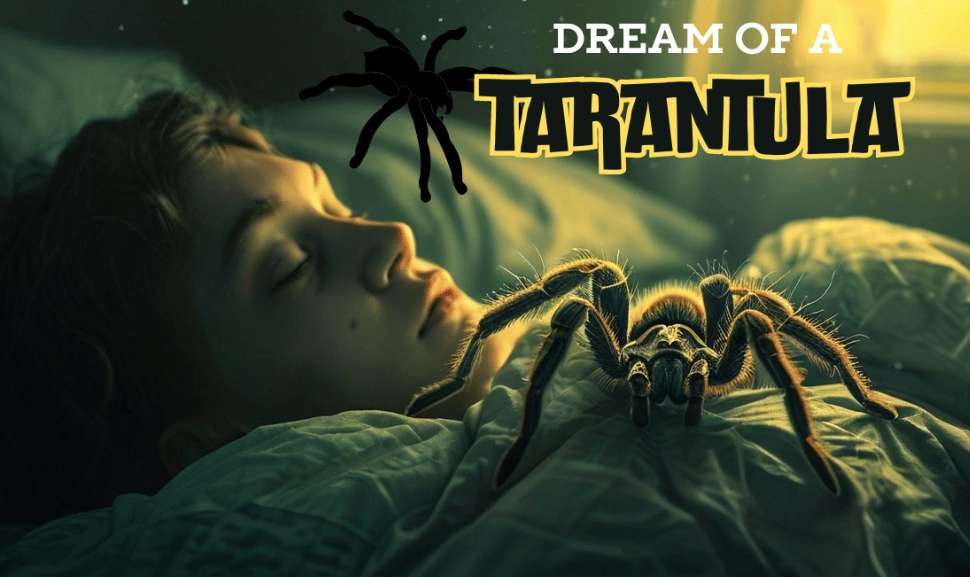
Here's the thing: a tarantula dream is rarely just about the spider. It's a powerful messenger from your subconscious, often pointing to themes of anxiety, hidden power, or a need for personal transformation. The context is everything. Was the tarantula threatening or calm? Were you scared or curious? These details are the key to your personal dream interpretation.
This guide isn't about giving you a one-size-fits-all dictionary definition. Instead, we're going to unpack the layers—the spiritual symbolism, the psychological theories, and the practical steps you can take after having such a dream. We'll look at common scenarios, cultural interpretations, and even some personal stories (including my own). By the end, you'll have a framework to understand your own tarantula dream and what it might be trying to tell you.
The Spiritual and Symbolic Meaning of a Tarantula Dream
Across cultures, spiders are rich in symbolism. They are creators (think of the web), predators, and often, culturally feared creatures. A tarantula, with its size and hairiness, amplifies these symbolic qualities. It's not a delicate orb-weaver; it's a substantial, ground-dwelling presence.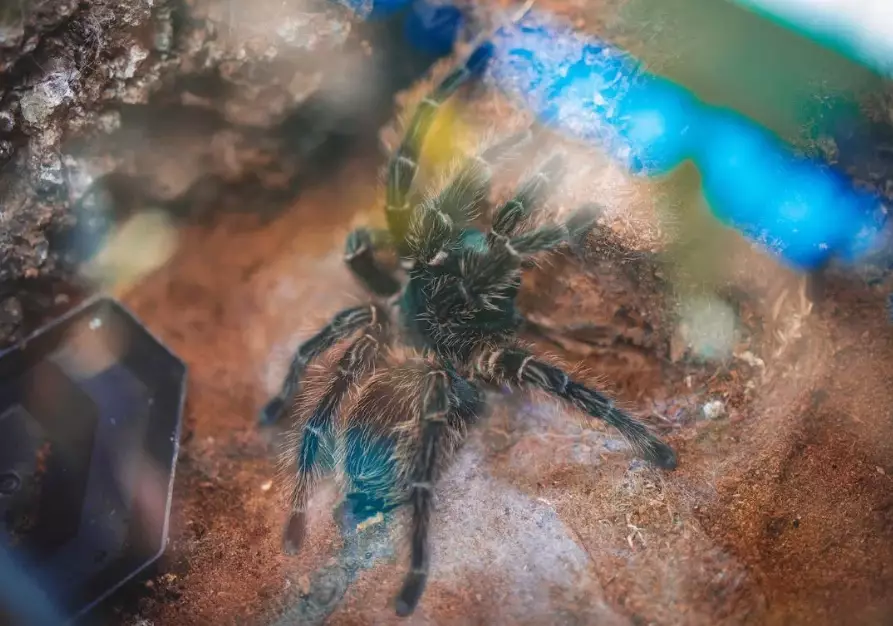
So, what does a tarantula represent spiritually in a dream?
In many indigenous traditions, the spider is seen as a weaver of fate, a creator deity. The Navajo, for instance, speak of Spider Woman, a creator figure who taught the people weaving. Dreaming of a tarantula could connect to this creative, life-weaving energy.
But symbolism is rarely just positive or negative. It exists on a spectrum. Let's break down the most common spiritual interpretations.
Transformation and Confronting Fear
This is the big one. A tarantula in a dream often symbolizes a fear or challenge you are avoiding in your waking life. Its appearance is your subconscious's rather dramatic way of saying, "You need to look at this." The tarantula itself isn't necessarily the problem; it's the embodiment of the problem. Confronting the spider in the dream, or moving past your fear of it, can mirror the process of confronting a difficult situation in reality.
I remember a friend who dreamed of a tarantula blocking the doorway to her office. She was paralyzed. In reality, she was avoiding a crucial conversation with her boss about a promotion. The tarantula was the intimidating, hairy obstacle of that confrontation. Once she had the talk (the boss was surprisingly receptive), the dreams stopped.
Personal Power and Hidden Strength
Tarantulas are powerful, patient hunters. They don't chase; they wait. Dreaming of one can be a nudge to tap into your own reserves of patience, power, and strategic thinking. Are you being too passive in a situation where you should be asserting yourself? The tarantula might be a symbol of your latent strength.
This duality—fear and power—is central to understanding a tarantula dream. It asks: What are you afraid of that might actually be a source of your own strength?
Feeling Trapped or "Webbed In"
The spider's web is a classic symbol of entrapment. While tarantulas don't spin elaborate aerial webs, they do use silk in their burrows. A dream interpretation might point to feelings of being trapped in a job, relationship, or financial situation. Is something or someone in your life making you feel like prey? The emotional texture of the dream—whether you feel panicked or resigned—can clarify this.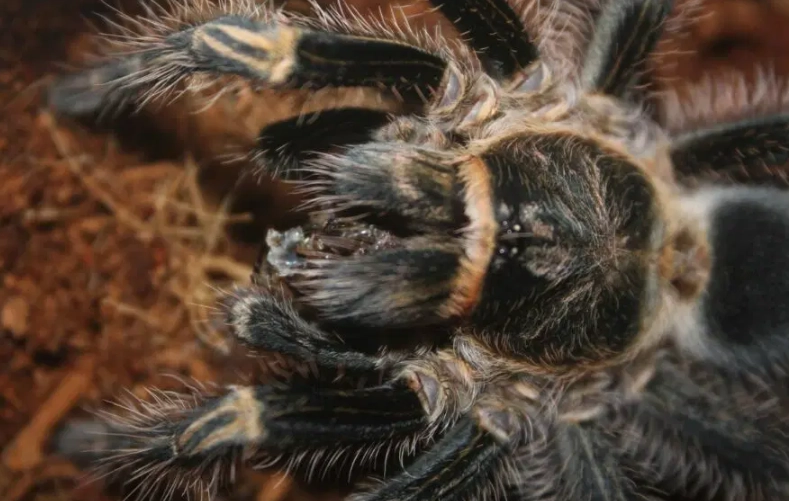
The Psychological Perspective: What Your Brain is Processing
If spirituality feels too abstract, psychology offers a more grounded lens. Modern dream science, while still unraveling mysteries, suggests dreams help with memory consolidation and emotional processing. A tarantula dream is likely your brain's vivid metaphor for processing anxiety, stress, or a complex problem.
Let's look at two major psychological frameworks.
Freudian View: Manifest Anxiety
Freud might see the tarantula as a manifestation of repressed anxiety or a phobia. The dream allows the anxiety to surface in a symbolic, and therefore safer, form. The specific details—where the spider is, what it's doing—could be clues to the source of the anxiety. For example, a tarantula on your bed could symbolize anxiety about intimacy or rest.
Jungian View: The Shadow and Integration
Carl Jung's approach is often more helpful for recurring or powerful dreams. He might view the tarantula as part of your "Shadow"—the parts of yourself you reject or fear. The tarantula dream is an invitation to integrate this shadow aspect. The feared spider might represent a quality like aggression, solitude, or cunning that you disown but actually need to harness healthily.
Jung also emphasized archetypes—universal symbols. The spider can be an archetype of the trickster or the fearsome mother. Understanding this can add depth to your dream interpretation. The American Psychological Association has resources on the continuing relevance of Jungian concepts in therapy, which you can explore here.
| Dream Scenario | Common Psychological Interpretation | Potential Waking-Life Link |
|---|---|---|
| A tarantula chasing you | Anxiety or a problem you feel is pursuing you | Impending deadline, unresolved conflict |
| Observing a calm tarantula | Confronting a fear objectively; curiosity about a powerful aspect of self | Studying a challenging new skill, self-reflection |
| A tarantula in your house | An issue feels "close to home" or within your personal space | Family tension, personal health worries |
| Killing a tarantula | An attempt to forcefully eliminate a fear or problem (may not be effective) | Quitting a job abruptly without a plan, suppressing emotions |
| A tarantula shedding its skin | Personal transformation, growth, leaving an old self behind | Career change, ending a relationship, personal therapy |
See? The table isn't a definitive answer, but a starting point for reflection.
Common Tarantula Dream Scenarios and Their Meanings
Dreams are narrative. The plot matters. Here are some of the most commonly reported tarantula dream scenarios and what they might point to.
The Tarantula on Your Bed
This is a classic. Your bed is a place of vulnerability, rest, and intimacy. A tarantula here is an intrusive thought or anxiety invading your peace. It could relate to:
- Sleep anxiety: Worrying about not sleeping, which ironically creates the problem.
- Intimacy issues: Fear or unease in a close relationship.
- Guilt or shame: Something you're "sleeping on" that bothers you.
Being Bitten by a Tarantula
A bite is an act of penetration, a message that "gets under your skin." Psychologically, it might mean:
- Feeling "poisoned" by someone's words or actions.
- A realization or truth that has finally hit you and is causing emotional pain.
- In spiritual terms, it could symbolize an initiation—a painful but necessary step in growth.
A quick note: While disturbing, a biting tarantula in a dream is almost never a literal prediction of physical harm. It's a metaphor for emotional or psychological impact. I've had clients panic about this, thinking it's an omen. It's not. It's your mind using strong imagery to get your attention.
A Giant Tarantula
When the spider is colossal, the problem feels colossal. This dream magnifies feelings of being overwhelmed. The key question is: What in your life feels so huge and insurmountable that it's taken on monstrous proportions in your mind? Breaking it down into smaller, manageable tasks in waking life can often shrink the "spider" back to a manageable size in your dreams.
Multiple Tarantulas
This scenario often points to a sense of being surrounded by problems or anxieties. It's not one issue; it's many. The feeling is often one of infestation or being overwhelmed from multiple directions. This dream might be a signal that you need to step back, prioritize, and address issues one by one, rather than trying to swat at them all at once.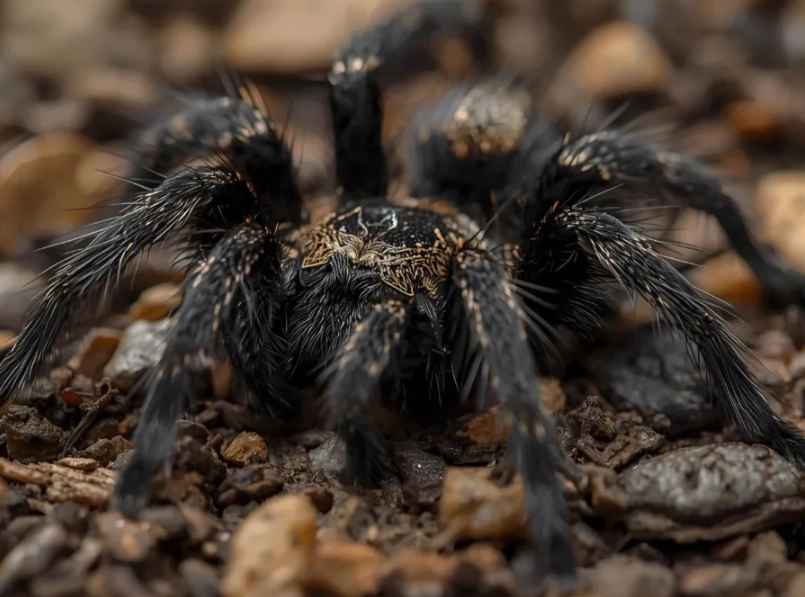
What to Do After a Tarantula Dream: A Practical Guide
So you've had the dream. You're intrigued or unsettled. What now? Here’s a practical, step-by-step approach. Don't just analyze it—use it.
Step 1: Record It Immediately. Keep a notebook by your bed. Write down everything you remember upon waking: emotions, colors, locations, actions. Details fade fast. The emotion you felt (terror, curiosity, disgust) is often more important than the spider itself.
Step 2: Identify the "Waking Life" Trigger. Ask yourself: What was I worried about yesterday? What difficult conversation am I avoiding? What feels out of my control? The tarantula dream is usually a reflection, not a prophecy. Look backward, not forward.
Step 3: Engage in Dialogue (Yes, Really). This is a Jungian technique. In your journal, write a conversation with the tarantula. Ask it: "Why are you here? What do you represent? What do you want from me?" Then, let your intuition write the tarantula's response. It sounds silly, but it bypasses the logical mind and can yield surprising insights. I've tried it, and while the first few lines felt forced, what came out later was eerily accurate about my own avoidance tactics.
Step 4: Take One Small Action. If the dream is about a fear, take one tiny, non-threatening step toward confronting it. If it's about feeling powerless, do one small thing that asserts your control (clean a drawer, say "no" to a small request). Action breaks the dream's hypnotic spell of anxiety.
Step 5: Know When to Seek Help. If tarantula dreams are recurring, intensely frightening, and disrupting your sleep or daily mood, consider talking to a therapist. Recurring nightmares can be linked to unresolved trauma or anxiety disorders. A professional can help you unpack it in a safe space. The National Sleep Foundation notes that chronic nightmares are a valid reason to seek help for sleep health.
A Personal Story: From Fear to Fascination
Let me wrap up with my own story. As I mentioned, I had a series of tarantula dreams during a period of career transition. I was a writer contemplating a shift into a more public, speaking-focused role. The thought terrified me.
In the dreams, a tarantula would be sitting quietly in the corner of a room where I was trying to give a talk. I'd freeze, my audience would disappear, and I'd be alone with the spider. Using the steps above, I journaled and did the dialogue exercise. The "tarantula" in my writing basically said: "You think I'm here to scare your audience away. I'm not. I'm the part of you that is quiet, observant, and a little intimidating. You're trying to be a cheerful songbird on stage. You're not. You're a spider. Use your own voice, not someone else's."
It was a revelation.
The dream wasn't about the fear of public speaking; it was about the fear of embracing my authentic, more introverted and intense style of communication. I stopped trying to mimic energetic speakers and leaned into a more thoughtful, story-based approach. The dreams ceased. Now, I see that tarantula dream not as a nightmare, but as a brutally honest coach from my subconscious.
Frequently Asked Questions About Tarantula Dreams
Let's tackle some of the most common, specific questions people have after this type of dream.
Almost never. In the vast majority of cases, it is a metaphor, not a prediction. It's your mind's way of processing internal conflict, anxiety, or a call to empowerment. Viewing it as an omen can create unnecessary fear. See it as data about your inner state, not a fortune about your future.
It can, but don't jump to conclusions. This interpretation comes from the spider-as-trickster archetype. Before suspecting others, ask if you feel entangled or deceived in a situation. The feeling of betrayal might be internal—are you betraying your own values? Projecting this dream onto a specific person without cause can do real harm to relationships.
Perfect! This is a great clue. If you're not arachnophobic, then the tarantula is almost certainly a pure symbol, not a literal fear. It makes the interpretation clearer: the spider represents something else entirely—like a powerful project, a dominating person, or a hidden aspect of yourself. Your neutral real-life reaction helps isolate the symbolic meaning.
Certain medications (like some SSRIs for depression or malaria pills) and even eating heavy, spicy foods before bed can increase dream vividness or cause nightmares. However, the content of the dream—why it's a tarantula and not a tiger—still comes from your personal psyche and current concerns. The substance might turn up the volume, but your brain provides the script. The American Psychological Association's published research often discusses the brain's role in dream synthesis, suggesting content is personally meaningful.
Size and presence. A tiny spider might symbolize a nagging, small worry. A tarantula dream carries weight. It's a major symbol. Its grounded, substantial nature often points to issues that are also substantial, grounded in your daily reality—career, family, core identity—rather than fleeting anxieties.
The goal of understanding a tarantula dream isn't to find a single, perfect answer. It's to start a conversation with a deeper part of yourself. The meaning evolves as you reflect.
Ultimately, a tarantula dream is an invitation. An invitation to look at what frightens you, to claim power you've disowned, or to acknowledge a feeling of being trapped. It's not a psychic warning but a psychological and spiritual nudge. The next time you wake up with that eight-legged image fresh in your mind, don't just shudder and forget it. Get curious. Grab your journal. Ask it what it wants. You might be surprised by the profound answer your own mind has been trying to give you.
And remember, while the imagery can be intense, you are the dreamer. You have the power to interpret the symbol and, more importantly, to change the waking-life story it's reflecting.








Comments
Join the Conversation