Quick Guide
It happens. One minute you're asleep, the next you're staring down a massive, hairy, pitch-black tarantula. Maybe it's just sitting there. Maybe it's crawling up your leg. The feeling jolts you awake, heart pounding, and you're left lying in the dark wondering what on earth that was about. A black tarantula in a dream isn't your average, forgettable dream. It sticks with you. It feels significant, maybe even ominous.
I get it. I've been there myself. The imagery is so potent and specific that you can't just shrug it off as "just a dream." You're searching for answers, and frankly, a lot of the stuff you find online is either too vague ("it symbolizes fear") or goes way off the deep end into pure fantasy. Not helpful.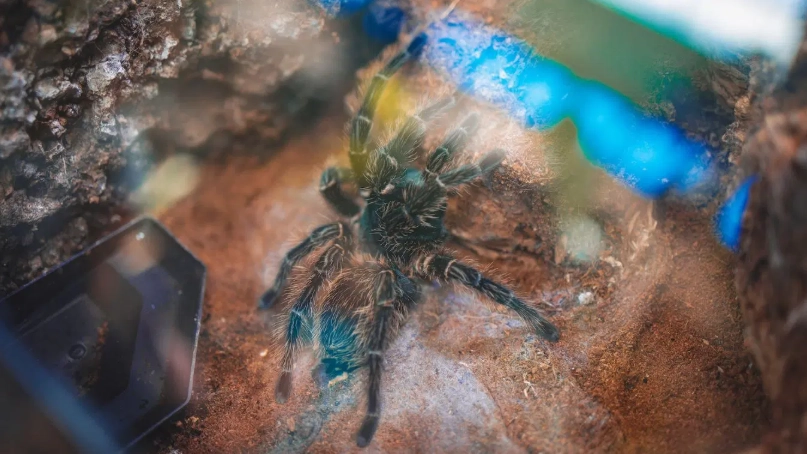
So, let's talk about it. Not in a mystical, fortune-telling way, but by looking at what dream experts, psychologists, and cultural traditions actually say. What could your subconscious be trying to communicate with this eight-legged visitor? Is it a warning, a symbol of power, or something else entirely?
What Does a Black Tarantula in a Dream Really Symbolize?
First things first, we need to break down the symbol. A dream isn't a literal message. It's a play, and everything in it is a character or a prop representing something else in your waking life. A black tarantula in your dream is a compound symbol: you have the "tarantula" part and the "black" part, and together they create a unique meaning.
Tarantulas, in general, are powerful dream symbols. They're often linked to:
- Deep-Seated Fear or Anxiety: This is the most obvious one. Spiders tap into primal fears for many people. A tarantula, being large and hairy, amplifies this. But in dreams, fear isn't always about something external that scares you. It can represent a fear you're carrying inside—fear of a situation at work, fear of a relationship failing, fear of a health issue, or a deep, vague anxiety you can't quite name.
- Patience and Hidden Power: Forget the scary movies. In reality, tarantulas are often ambush predators. They wait calmly, with immense patience, for the right moment to act. Dreaming of one can symbolize a part of you that is waiting, watching, and gathering strength. It might suggest you feel powerful in a situation but are choosing to bide your time.
- A Forceful Aspect of Your Personality or Life: The tarantula can represent something in your life that feels overwhelming, consuming, or "creeping up" on you. This could be a responsibility, a person who is demanding too much energy, or even a creative project that has taken on a life of its own.
- Your Subconscious Mind: Carl Jung, the famous psychologist, saw spiders as potential symbols of the psyche itself—the intricate, sometimes scary, web of thoughts, memories, and feelings we have woven in our minds. A dream about a black tarantula might be a direct manifestation of your subconscious trying to get your attention.
Now, add the color black. In dreams and symbolism, black is complex. It's not just "bad." It can mean:
- The unknown, the mysterious, the hidden.
- Transformation (like the fertile darkness of soil).
- Power, authority, and elegance.
- Mourning, grief, or depression.
So, a black tarantula in a dream combines these ideas. It might point to a hidden fear, a mysterious source of personal power, or an aspect of your life that is going through a transformative but difficult phase. The color intensifies the symbol, making it feel more profound, secret, or serious than a differently colored spider might.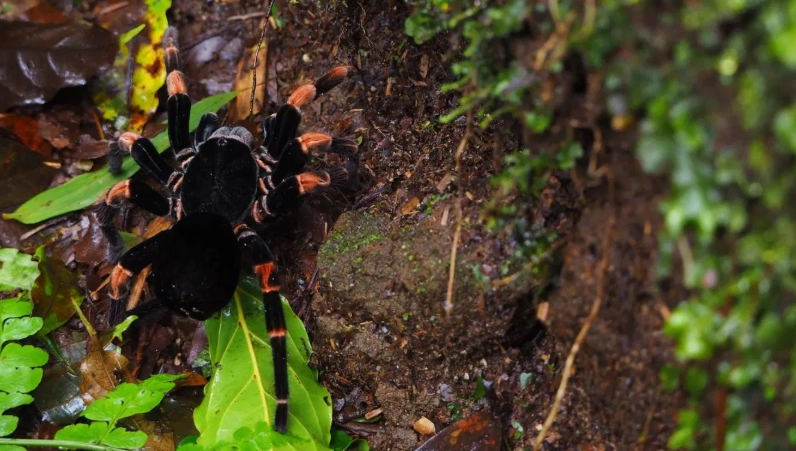
Common Scenarios and What They Might Mean
Let's get specific. Here are some of the most frequent ways people experience a black tarantula in their dream, and what dream analysts often suggest they could reflect.
| Dream Scenario | Possible Psychological Interpretation | Questions to Ask Yourself |
|---|---|---|
| A black tarantula is watching you or sitting still. | A situation or emotion you are aware of but are not actively engaging with. It may feel looming or intimidating, but is currently passive. | What in my life feels large, intimidating, and just "present"? Am I avoiding dealing with it? |
| A black tarantula is chasing you. | You are actively running from a problem, fear, or responsibility. The feeling of being pursued suggests it feels inescapable in your waking life. | What am I trying to outrun? What feels like it's constantly catching up to me? |
| A black tarantula is crawling on you (arm, leg, back). | An issue or feeling is "on you"—it's a burden you are carrying. The location matters (e.g., on your back could be a burden you feel responsible for; on your hand could relate to your actions or work). | What feels like a weight or a creepy-crawly anxiety attached to me personally? |
| You kill or harm the black tarantula. | An attempt to confront and eliminate a fear or a problematic aspect of your life. This can symbolize taking back control, but may also reflect aggressive suppression of a feeling. | Am I trying to forcefully destroy a part of my life or myself? Is this a healthy confrontation or a violent overreaction? |
| The black tarantula bites or attacks you. | A fear or problem has "struck" and is now causing you active pain or anxiety. It can symbolize feeling betrayed, hurt by a hidden issue, or that a situation has finally come to a head. | What recent event or realization has felt like a painful attack? What hidden issue has now surfaced and hurt me? |
| You are caring for or protecting the black tarantula. | You have an unexpected relationship with a powerful or feared aspect of yourself. This can indicate integration—accepting and nurturing a part of you that you once found scary (like your ambition, anger, or independence). | What powerful trait in myself have I learned to accept or even protect? Am I nurturing a new responsibility? |
See how the action changes everything? A static black tarantula in a dream is a world apart from an attacking one. Your emotional response is the biggest clue. Were you terrified? Fascinated? Curiously calm? That feeling is your subconscious's volume knob—it tells you how important this message is.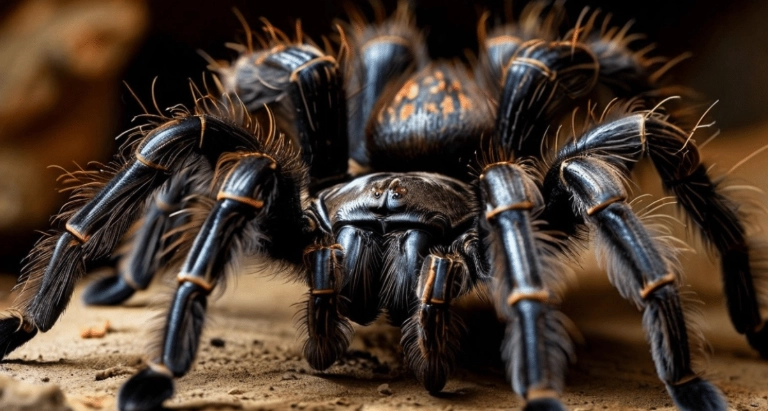
Beyond Psychology: Cultural and Spiritual Perspectives
While modern psychology gives us a great framework, people have been interpreting dreams for millennia. Looking at how different cultures view spiders and the color black can add fascinating layers to your interpretation. It's not that you have to believe these views, but they can offer alternative metaphors that might resonate.
In many Native American traditions, Spider is often seen as Grandmother Spider, a creator figure and a symbol of wisdom, storytelling, and the weaving of fate. Dreaming of a spider could connect to creativity, the interconnectedness of life, or receiving ancient wisdom. A black spider might specifically connect to the wisdom of the Earth or the night.
Some African and Afro-Caribbean spiritual systems associate spiders with the trickster god Anansi, a figure of intelligence, storytelling, and sometimes cunning. A dream spider could be a nudge to use your wits, to pay attention to stories being told around you, or to be aware of deception.
In ancient European folklore, the link between tarantulas and dance is bizarre but real. The "tarantella" dance was supposedly a cure for the bite of the wolf spider (thought to be a tarantula). This connects the spider to frenzy, catharsis, and healing through expressive movement. A dream of a black tarantula in this light might point to a need for a powerful release of pent-up energy or emotion.
In contemporary pop culture and media, tarantulas are almost always villains—giant monsters or pets of evil characters. This has undoubtedly shaped our collective subconscious! If you consume a lot of this media, your dream might simply be processing those images. But more likely, it's using that culturally loaded symbol to represent something you perceive as a "villain" in your own life.
The point is, your personal background matters. If you grew up with stories of wise Spider Grandmother, your dream's tone will be different than if your only reference is the spider from *Harry Potter*.
When a Dream Is More Than Just a Dream: Anxiety and Mental Health
Let's be real for a second. Sometimes, a dream is just a weird mash-up of your day. But recurring, intensely frightening dreams—like repeatedly seeing a black tarantula in your dream—can be a flag worth paying attention to. They can be your mind's way of screaming that your stress levels are in the red zone.
Persistent, vivid nightmares are a common symptom of anxiety disorders, high stress, and PTSD. The brain processes traumatic or highly charged emotional experiences during sleep, and when there's too much to process, it can create terrifying imagery. The tarantula becomes a perfect vessel for that amorphous feeling of dread.
I'm not a therapist, but I've learned this from experience: dismissing a recurring nightmare as "just a dream" is like ignoring a persistent check-engine light. It's data. It's information about your inner state. Paying attention to it is an act of self-care.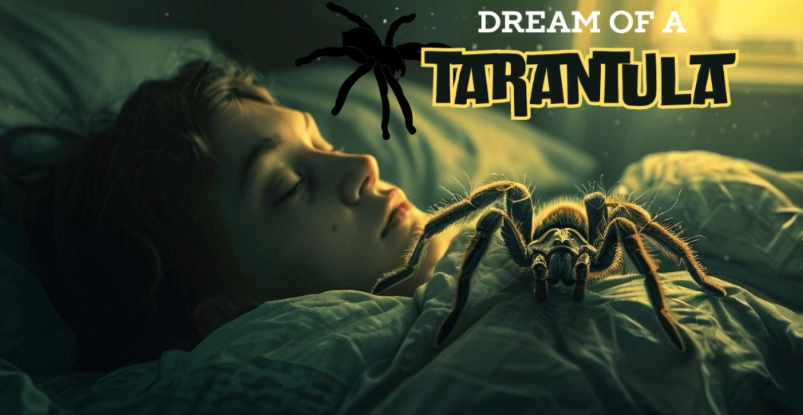
How to Actually Work With Your Tarantula Dream
Okay, so you've thought about the symbolism and the context. What now? How do you move from interpretation to insight? Here's a practical, step-by-step approach you can try. No crystals or incense required, just a notepad or your phone.
Your Dream Journal Action Plan
- Record Immediately: As soon as you wake up, write down everything. Don't edit. Include details: Where were you? What was the tarantula doing? Size? Texture? (Was it shiny black? Fuzzy black?) How did you feel? What happened right before you woke up?
- Identify the Core Feeling: Circle the dominant emotion from your record. Was it pure terror? Awe? Curiosity? Disgust? This feeling is your primary clue.
- Draw Parallels to Waking Life: This is the big one. Look at that core feeling. When in the last few days or weeks have you felt that exact same emotion? Maybe not about a spider, but about your job, a conversation, a news headline, a memory. Jot down 2-3 possibilities. Don't judge them, just brainstorm.
- Consider the Tarantula's Role: Using the table above as a guide, ask: If this tarantula were that waking-life situation or feeling, what would its actions be telling me? Is it a problem I'm watching (static), running from (chasing), or carrying (crawling on me)?
- Reframe the Message: Try to write a single sentence from your subconscious. Start with: "It seems like part of me is trying to show me that…" For example: "…part of me is trying to show me that I feel a powerful but hidden anxiety about the upcoming merger at work."
This process isn't about finding one right answer. It's about starting a conversation with yourself. The first interpretation might not fit. Sleep on it (pun intended). Sometimes, the meaning becomes clearer days later when something happens in your waking life that makes you go, "Oh! THAT'S what that dream was about."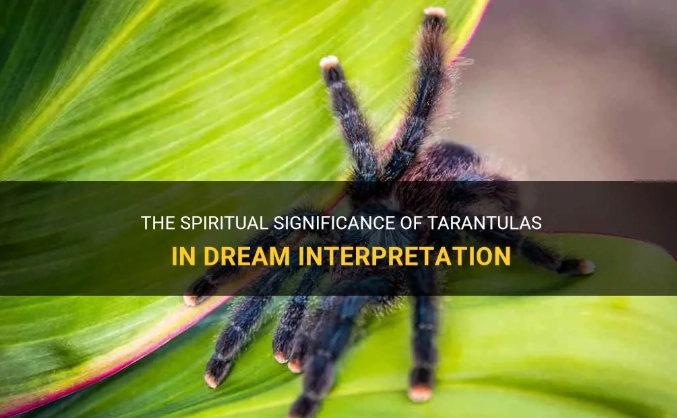
Frequently Asked Questions About Black Tarantula Dreams
Let's tackle some of the specific, nitty-gritty questions people have after a dream like this. These are the things you're actually typing into Google at 3 AM.
Pulling It All Together: Your Dream, Your Meaning
At the end of the day, you are the ultimate expert on your own dreams. A black tarantula in a dream is a powerful, complex symbol. It can be unsettling, but it's also a sign that your subconscious is working hard on something.
Think of it this way: your mind could have shown you a vague shadow or a fuzzy monster. Instead, it crafted a detailed, specific image—a black tarantula. It went to the trouble. That suggests the message is important.
My advice? Don't fear the dream. Get curious about it. Use it as a starting point for self-reflection. What in your life feels large, hidden, powerful, patient, or intimidating? Where do you feel a creeping sense of anxiety or a quiet, gathering strength?
Sometimes, just the act of seriously asking these questions can lessen the dream's disturbing power. You've moved from being a victim of the imagery to an investigator of your own inner world. And that shift, in itself, is a form of taking back control from whatever that black tarantula represents.
If you're interested in the biological reality of these creatures, which can demystify them and reduce fear, reputable sources like the Natural History Museum, London have fantastic, science-based information. Understanding the real animal can sometimes soften the edges of the dream symbol.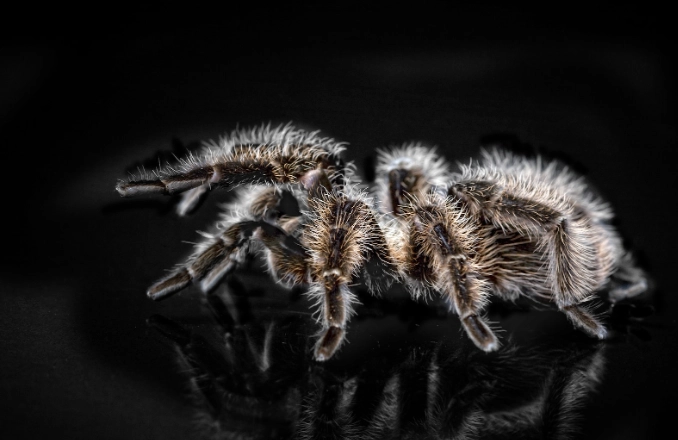
Sweet dreams—or at least, insightful ones.






Comments
Join the Conversation