Quick Navigation
Have you ever woken up with the vivid memory of a dream about video games? Maybe you were sprinting through a Call of Duty map without a weapon, or perhaps you were stuck trying to solve a puzzle from Zelda that doesn't actually exist. It's a weird feeling, right? One minute you're asleep, the next you're mentally queuing up for a ranked match in your pajamas.
I remember this one time, after a marathon weekend playing Red Dead Redemption 2, I dreamt I was trying to herd digital sheep. Not exactly epic. But it got me thinking—why does this happen? Is my brain just recycling junk data, or is there something more to it?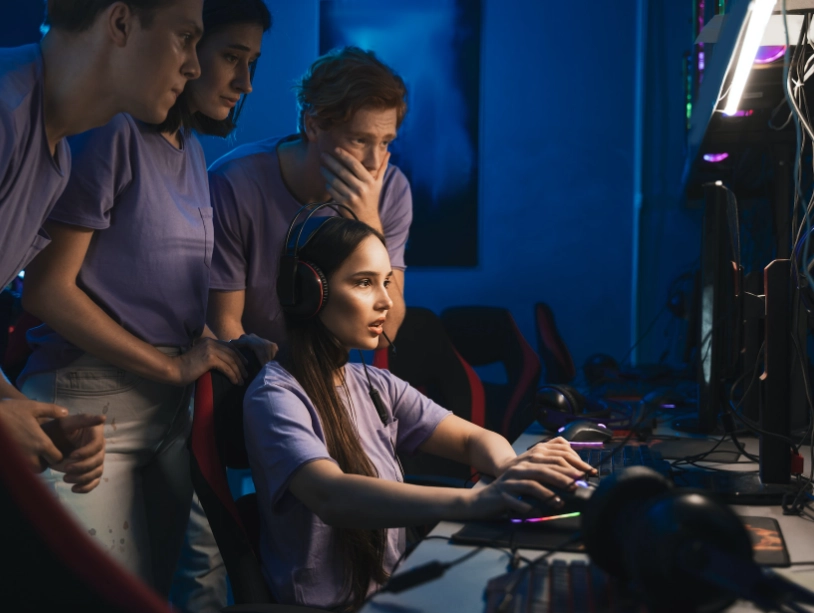
Turns out, a lot of us have these dreams. And they're not just random noise. Dreaming of video games can be a fascinating window into your mind, your stress levels, and even how you're processing your daily life. It's more common than you'd think, especially now that gaming is such a huge part of our culture.
Let's ditch the vague dream dictionary stuff. This isn't about "seeing a controller means you lack control." That's often nonsense. We're going to look at what psychologists and sleep researchers actually say, mix in some common experiences from gamers, and try to make sense of why your brain decides to render a playable dream sequence at 3 AM.
Why Do We Dream About Games Anyway? The Science Isn't Boring, I Promise
First off, let's talk about why a dream about video games even occurs. Dreams are essentially our brain's way of sorting, filing, and sometimes just messing around with the information it soaked up during the day. This process is called memory consolidation. The American Psychological Association has some pretty accessible resources on how sleep and dreams contribute to learning and memory, which is a solid starting point for understanding the basic mechanism.
So, if you spent hours navigating the streets of Night City in Cyberpunk 2077, your brain has a ton of fresh, intense neural pathways related to that experience. When you sleep, it rehearses those pathways. This can manifest as a direct replay, a distorted mix, or a symbolic story built from the game's assets.
But it's not just simple replay. Games are emotionally engaging. The frustration of a tough boss fight, the thrill of a last-second victory, the anxiety of a stealth section—these emotions have a chemical reality in your brain. During REM sleep (the prime dreaming phase), your brain is highly active with emotion-processing centers like the amygdala lighting up. It's like your mind is sifting through the emotional highlights reel of your day, and a gripping gaming session provides plenty of material.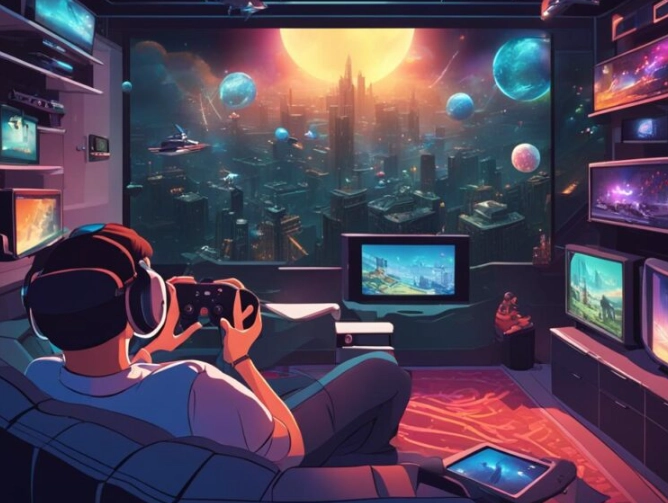
Think of it this way: your brain is a movie editor. The footage from your game session is compelling, action-packed, and emotionally charged. It's natural that some of that "footage" ends up in the final "dream movie" cut.
Common Themes in Video Game Dreams (And What They Might Point To)
Not all gaming dreams are created equal. Over the years, talking to other players and reading forums, some very clear patterns emerge. These themes can be more telling than the specific game.
| Common Dream Theme | Possible Psychological Associations | Everyday Life Parallel |
|---|---|---|
| Being Stuck or Glitched Can't progress, controls don't work, game is bugged. |
Feeling powerless, facing an unsolvable problem, analysis paralysis. | A project at work or school that feels impossible, indecision about a life choice. |
| Infinite Grinding or Repetition Doing the same mundane task over and over in the dream. |
Monotony, feeling like your efforts are pointless, burnout. | A tedious daily routine, a job with no sense of progression, studying for exams. |
| Overpowered or "God Mode" Having unbeatable abilities, breaking the game. |
Desire for control, wish-fulfillment, high confidence or a need to feel powerful. | Preparing for a big presentation, wanting to overcome a personal challenge. |
| Real-Life Merging with Game World Game characters in your home, HUD in your vision. |
High immersion, difficulty separating leisure from reality, potential over-engagement. | Thinking about game strategies during work, using gaming slang in conversation. |
| Losing a Save File or Progress The classic nightmare of lost achievements. |
Anxiety about wasted time, fear of failure, instability. | Worrying about a career setback, fearing you'll lose what you've built. |
See what I mean? The theme of the dream about video games often acts as a metaphor. I used to have dreams about my character falling through the map—a classic glitch. At the time, I felt like I was falling through the cracks in my own life, unsure of my footing. It was a pretty direct, if weird, translation.
Dreaming you're grinding for loot with no drop? That might be your brain's way of processing a feeling of stagnation at your job. Dreaming you're effortlessly dominating a battle royale? Could be a boost of confidence leaking through, or a deep-seated wish to conquer a real-life obstacle.
When a Dream About Video Games Feels More Like a Nightmare
Sometimes, these dreams aren't neutral or fun. They're stressful, scary, or just plain exhausting. You might wake up more tired than when you went to bed.
This is a big red flag to pay attention to. A stressful or anxious dream about video games is often your mind's way of waving a little flag, saying, "Hey, this thing you're doing for fun is generating some not-so-fun stress chemicals." It could be related to:
- Performance Anxiety: Ranked matches, speedrunning, or competitive play can create real pressure. Dreaming about failing in-game is a safe way for your brain to simulate that fear.
- Addiction or Overuse Concerns: If you're dreaming about games constantly, to the point where it feels intrusive, it might be a sign you're overdoing it. Your brain has no other major input to process. The National Sleep Foundation notes that stimulating activities right before bed can disrupt sleep quality and dream content. Gaming, with its bright lights and intense engagement, is a prime candidate.
- Underlying Stress: The game itself might just be the stage where your general anxieties are playing out. Got money worries? Maybe you dream about losing all your in-game currency. Having social issues? Maybe you dream your teammates are betraying you.
A personal take: I hit a point a few years back where I was dreaming about resource management in a survival game every night. It was tedious and frustrating. I realized it was mirroring my anxiety about my freelance finances—constantly juggling, never feeling secure. The game was just the skin my brain used. Cutting back on late-night gaming and addressing the real-life budget did more for those dreams than any interpretation could.
Is It a Sign of Passion... or a Problem?
This is the question everyone really wants answered. Does dreaming about video games mean you're too into them? The answer, frustratingly, is: it depends.
The Passion Side: For most people, occasional, vivid, or even cool dreams about your favorite hobby are just a sign of deep engagement. Your brain is fascinated by the complex worlds and problems. Architects dream of buildings, musicians dream of melodies, gamers dream of levels. It's a natural byproduct of focused interest. These dreams are often detailed, creative, and might even inspire you or help you solve a game puzzle subconsciously.
The Problem Side: The warning signs are usually in the quality and frequency of the dreams, and their impact on your waking life.
- Intrusive Thoughts: Can't stop thinking about the game during the day? Does the dream about video games feel like an extension of an obsession?
- Negative Emotion: The dreams are consistently filled with frustration, anger, or anxiety.
- Sleep Disruption: You wake up frequently from these dreams, or they prevent you from falling into deep, restful sleep.
- Replacement: Your dreams have only game content, with no elements from your social life, work, or other interests. This suggests a severe lack of cognitive diversity.
If you're ticking several of those boxes, it might be time to assess your gaming habits. I'm not here to preach—gaming is awesome. But like anything, balance is key. The World Health Organization's inclusion of "Gaming Disorder" in the ICD-11 is controversial, but it highlights that for a small minority, gaming can become dysfunctional. The criteria focus on impaired control, increasing priority over other life activities, and continuation despite negative consequences. If your dreams are part of a larger pattern that fits this, it's worth a serious self-check or a chat with a professional.
How Different Game Genres Shape Your Dreams
This is a fun one. The type of game you play heavily influences the "flavor" of your dream about video games. It's not just content; it's the core gameplay loop that gets etched into your subconscious.
Open-World / RPGs (Elden Ring, Skyrim): These often lead to exploratory, quest-driven dreams. You might dream of vast landscapes or having conversations with NPC-like characters. The dream feels like a journey with an unclear goal. I've spoken to people who've had dreams with full-on side-quest logic after a Witcher 3 binge.
Competitive Multiplayer (Valorant, League of Legends): Dreams here are high-stakes, tense, and often social. You might dream of letting your team down, or of incredible plays. The emotional residue of teamwork, rivalry, and rank is strong. The social dynamics—toxicity, camaraderie—can also play out with real people in your life cast in the roles of teammates or opponents.
Horror Games (Resident Evil, Silent Hill): Fairly obvious—these can blend into genuine nightmares. But interestingly, the fear in the dream is often contextualized by the game's mechanics. You're not just scared; you're scared because you're out of ammo, or you're hiding with a limited field of view. The helplessness defined by the game's rules translates directly.
Puzzle / Strategy Games (Portal, Civilization): These can lead to oddly cerebral dreams. You might dream of abstract spatial problems or managing complex systems. One friend dreamt he was literally connecting supply lines between cities in his sleep after a Cities: Skylines marathon. These dreams can feel less emotional and more like your brain is running a simulation in the background.
Sandbox / Creative Games (Minecraft, Terraria): These often produce profoundly creative and satisfying dreams. The joy of building and creation can translate into dreams where you're constructing incredible things. These are some of the more positive gaming dreams out there.
What Can You Do About It? (If You Want To)
Most of the time, you don't need to "do" anything. A dream is just a dream. But if your dreams about video games are bothering you—if they're stressful, repetitive, or ruining your sleep—here are some practical, non-preachy steps.
- Create a Wind-Down Buffer: This is the single most effective thing. Don't jump straight from a high-intensity gaming session into bed. Give yourself 60-90 minutes of low-stimulation activity. Read a book (a physical one), listen to calm music, take a shower, doodle. This gives your brain time to process the gaming stimuli before you try to sleep, so it's less likely to dominate your dream space. The sleep hygiene guidelines from sources like the National Sleep Foundation consistently emphasize this.
- Diversify Your Day: Make sure gaming isn't your only major source of mental stimulation and emotion. Engage in other hobbies, socialize offline, exercise, or learn something unrelated. This gives your brain more varied material to work with at night, diluting the gaming content.
- Journal the Dream, Not Just the Game: If a particular dream bothers you, write it down. But instead of focusing on "I dreamt about Fortnite," focus on the feelings. "I felt panicked because I was alone and everyone was hunting me." Then ask: where else in my life do I feel that way? This can turn a weird dream about video games into a useful tool for self-awareness.
- Change the Game (Temporarily): If you're stuck in a loop of stressful dreams from a competitive game, try a completely different genre for a few days. Swap out Apex Legends for Stardew Valley. The change in cognitive and emotional input can reset your dream patterns.
- Talk About It: Sometimes, just telling a friend, "Man, I had the weirdest dream I was in a raid last night," can demystify it and make it feel less intrusive. You'll probably find they have similar stories.
Frequently Asked Questions (The Stuff People Actually Search)
Is it normal to dream about video games every night?
If you're gaming for several hours every day, especially before bed, it's common. But "normal" doesn't always mean "ideal." If it's every single night without fail, and it's the primary content of your dreams, it might indicate a lack of other strong mental inputs. It's worth asking yourself if you're happy with that balance.
Can dreams about video games help me get better at the game?
Possibly, in an indirect way. The memory consolidation process of sleep can reinforce the motor skills and patterns you've been practicing. There's a reason athletes visualize their sport. Dreaming about a game could be a form of offline mental rehearsal. But don't expect a dream to teach you a new skill—it's more about reinforcing what you've already been grinding.
I dreamed I was inside a video game. Is that a sign of dissociation?
Not necessarily. Vivid, immersive dreams where you feel "inside" the experience are a hallmark of intense engagement and good imagination. Dissociation is a clinical term for a disconnection from thoughts, identity, or reality that causes distress and impairment in daily life. A cool, immersive dream is not that. Only be concerned if you frequently struggle to separate game from reality while awake, or if the feeling is distressing and persistent.
Do children dream about video games more than adults?
Probably, yes. Children's brains are more neuroplastic, meaning they form new connections faster and more strongly. A powerful gaming experience can leave a deeper imprint. Also, children often have less diversified daily routines than adults (school, homework, games), so the relative weight of the gaming input is higher.
Why do I have dreams about old games I haven't played in years?
Memory is weird and associative. Something in your current life—a sound, a feeling, a problem-solving style—might have triggered a deep-seated memory network from that old game. Old games from childhood can also be tied to strong emotional memories (nostalgia, comfort, challenge), making them potent dream material. Your brain dug into its archives and found that old "game file" was the best metaphor it had for what you're feeling now.
Wrapping This Up
So, the next time you have a vivid dream about video games, don't just shrug it off as weird. Take a second to think about it. What were you feeling in the dream? Stressed? Powerful? Stuck? Creative? That's the real message.
For most of us, these dreams are just a harmless, sometimes fascinating, byproduct of a hobby we love. They're proof of how engaging and mentally stimulating modern games can be. But like any hobby, it's good to stay mindful. If your dreams are sending you consistent signals of stress or obsession, maybe listen. Your brain might be asking for a little more variety or a calmer pre-bed routine.
At the end of the day, whether you're dreaming of epic victories or frustrating glitches, it's a reminder of how deeply our entertainment can weave itself into the fabric of our minds. Just maybe try to avoid playing a horror game right before you turn out the lights. Trust me on that one.










Comments
Join the Conversation