Let's be honest, dreaming about wasps isn't exactly a peaceful experience. You wake up with your heart racing, maybe even swatting at the air. The first thing most people search for is a simple, scary meaning. But after years of looking into dreams, I've found that wasp dream meaning is rarely about literal danger. More often, it's your mind's brilliant, if unsettling, way of flagging the tiny, buzzing irritations in your life that have the potential to turn into a full-blown problem.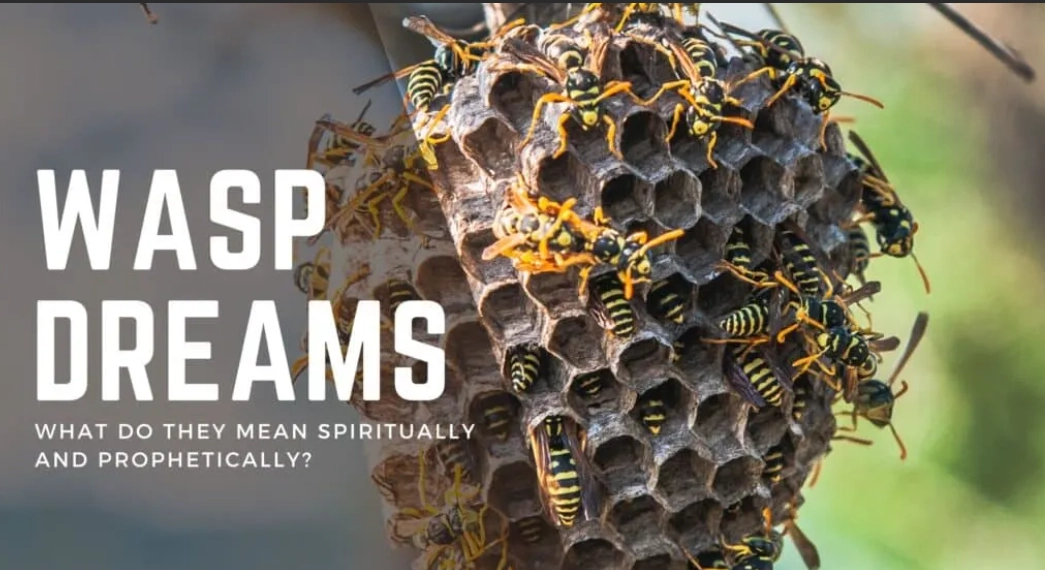
Think about a real wasp. It's not a random attacker. It's defensive. It reacts to perceived threats to its home or space. Your dream is doing something similar. It's pointing out what you feel is threatening your peace, your boundaries, or your sense of safety. The specific details—were you stung, chased, or just watching a nest?—are the crucial clues everyone misses.
What's Inside This Guide
Common Wasp Dream Scenarios and Their Meanings
Forget generic interpretations. The real insight comes from the scene your subconscious built. Here’s a breakdown of the most frequent dreaming of wasps scripts and what they're likely pointing to in your waking hours.
Dreaming of a Single Wasp Sting
This is the classic. One sharp, sudden pain. In my experience, this rarely symbolizes a major catastrophe. It's usually a pinpoint warning. You've encountered a person, a comment, or a small task that "stung" you emotionally or psychologically. The key is location. Where were you stung?
Hand or arm: Something you did or made (a project, a decision) is causing you regret or criticism. Face: An attack on your identity, reputation, or self-image. Did someone insult you? Foot or leg: Your path forward feels blocked or painful. A next step you have to take is fraught with anxiety.
I had a client who kept dreaming of being stung on the thumb. Turns out, he'd sent a terse email to a colleague (using his thumb on his phone) and was subconsciously agonizing over it. The dream stopped when he apologized.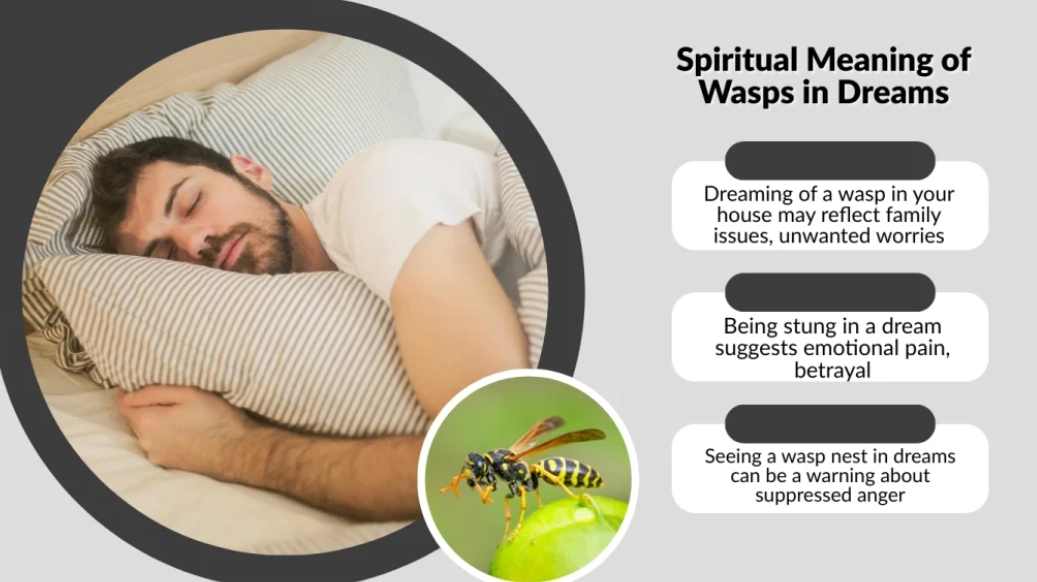
Dreaming of a Swarm of Wasps
This is where anxiety kicks into high gear. A swarm represents overwhelming pressure. It's not one problem; it's a cloud of them. Think deadlines, unpaid bills, family demands, and social obligations all buzzing around you at once. The feeling is one of being pursued by responsibilities you can't escape.
Here's the nuance most interpretations miss: Are you running from the swarm or observing it from a safe distance? If you're running, you're in active, stressful avoidance. If you're watching, you might be aware of a chaotic situation (like office politics) but are currently removed from it—though you sense the danger.
Dreaming of a Wasp Nest
Finding a nest is a big one. The nest is the source of the irritation. This dream asks you to identify where the persistent, buzzing annoyance in your life is actually coming from. The location of the nest is everything.
Killing a Wasp in a Dream
This feels like a victory, right? You fought back! In wasp sting dream interpretation, this action is significant. It often reflects a conscious decision to confront and eliminate a nagging source of anxiety. Maybe you finally had that difficult conversation, set a firm boundary, or deleted a stressful app from your phone.
But be cautious. Sometimes, killing the wasp in the dream leads to more aggression (like the swarm arriving). This can be a warning that your method of "handling" the problem is too aggressive and might escalate the situation.
How to Interpret Your Wasp Dream: A Practical Framework
You can't just plug your dream into a dictionary. You need a process. When a client brings me a wasp dream, I have them walk through these three steps. Try it yourself.
Step 1: Isolate the Core Emotion. Before you even think about symbols, ask: What did you feel? Pure terror? Annoyance? Curious fascination? The emotion is the most honest part of the dream. A feeling of annoyance points to a petty irritant. Sheer terror suggests the dream is tapping into a deeper, perhaps older, fear of being attacked or overwhelmed.
Step 2: Map the Dream to Your Current Life. This is where people get lazy. They want a universal meaning and call it a day. Don't. Take the main action—being chased, finding a nest, getting stung—and literally list the things in your life that fit that metaphor.
- Being chased by a swarm: "What responsibilities am I trying to outrun?"
- Seeing a nest on your porch: "What issue is brewing right at the entrance to my personal space? (Maybe a neighbor dispute or an impending visitor you dread?)"
Step 3: Identify the "Sting" in Your Waking Life. What recently "stung" your pride, your feelings, or your plans? Was it a rejection, a critical comment, a unexpected bill? The dream often highlights the event where your emotional "skin" was punctured.
The biggest mistake I see? People interpret the wasp as an external enemy. In 80% of cases, the wasp represents an aspect of a situation or even a part of yourself that feels defensive, prickly, and ready to sting if provoked.
Wasp Dreams from a Spiritual Perspective
Beyond psychology, many traditions see animals in dreams as messengers. The wasp is a powerful, if uncomfortable, spiritual symbol. It's not about evil; it's about activation and boundary setting.
In spiritual symbolism, the wasp is a master builder (its intricate nest) and a fierce defender. Dreaming of one can be a nudge to start constructing something important in your life—but to be ready to defend its boundaries fiercely. It's a call to productive action, not passive acceptance.
Some view it as a sign to examine where you are being "poisonous" in your thoughts or words (the venom), or where you need to extract yourself from a toxic situation. The sting can symbolize the painful but necessary injection of truth.
I find this perspective useful when the dream feels bigger than everyday stress. When the wasp appears almost archetypal, it's worth asking: What in my life needs building? What needs defending? What painful truth have I been avoiding?
Are Wasp Dreams a Bad Omen?
This is the number one question. The short answer is no, not in the superstitious sense. They are not predicting a literal disaster. But they are an omen of ignored tension.
Think of it like a dashboard warning light. The light itself isn't the problem; it's telling you about the problem. A wasp dream is a warning light for your emotional and psychological state. Ignoring it—dismissing it as just a weird dream—is the real risk. The "bad" outcome is allowing the small irritations to fester until they become a swarm you can't control.
I admit, the first time someone told me a wasp dream wasn't necessarily bad, I was skeptical. But over time, I've seen clients use these intense dreams as catalysts. One woman dreamed of a huge nest in her garage. She took it as a sign to finally clean out the literal and metaphorical clutter (old grudges, unused projects) that was buzzing in the background of her mind. The dream was a motivator.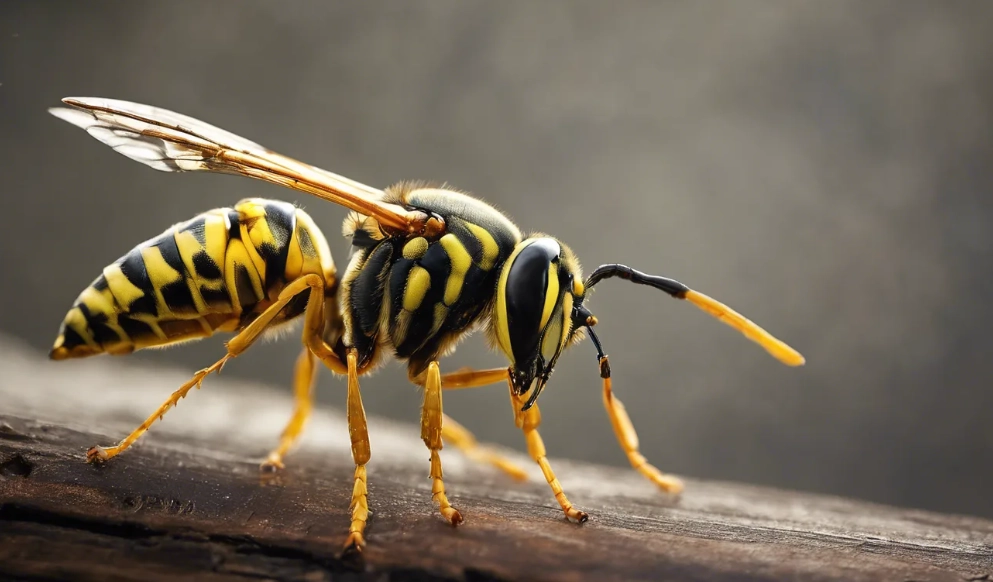
Your Wasp Dream Questions Answered
 My wasp dream involved someone else getting stung. Am I off the hook?









Comments
Join the Conversation