You wake up, your fingers instinctively running through your hair. It’s still there, untouched. But for a moment, in the dream, it was so real—the snip of scissors, the feel of strands falling away. A dream about cutting hair can leave you feeling oddly unsettled, curious, or even liberated. It’s not a random neural misfire. These dreams are packed with symbolism, pointing directly at what’s happening in your waking life: stress about control, a changing self-image, or a deep desire to shed the old you.
Most generic dream dictionaries will give you a one-line answer like “loss of power” and call it a day. That’s surface-level and often misleading. After years of tracking my own dreams and discussing them with therapists and cultural experts, I’ve found the meaning is in the specifics—who’s cutting, how it feels, and what’s left behind. Getting it wrong can make you anxious about nothing, or worse, make you ignore a real signal from your subconscious.
Quick Navigation: What's in This Guide
The Most Common Meanings Behind Haircut Dreams
Let’s cut through the vague stuff. A haircutting dream isn't a single message; it's a spectrum. Where your dream falls on it depends entirely on the emotion you felt during the dream.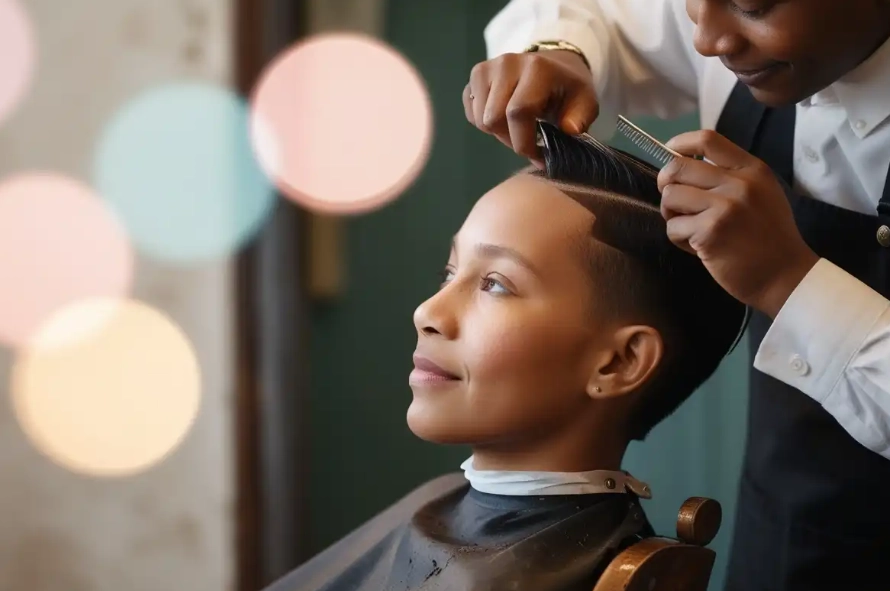
The Emotional Spectrum of Hair-Cutting Dreams: On one end, you have dreams filled with panic and loss. On the other, dreams of calm, intentional change. Most dreams land somewhere in the messy middle. Paying attention to your dominant feeling is more important than memorizing a list of symbols.
Loss of Control or Power: This is the big one. Hair, historically and cross-culturally, is linked to strength, vitality, and personal power (think of Samson in the Bible). Dreaming of someone cutting your hair against your will screams that you feel powerless in some area of your life. Is your micromanaging boss clipping your wings? Is a relationship making you feel like you can’t make your own decisions? The dream makes the metaphor physical.
Desire for Transformation or a Fresh Start: This is the positive flip side. Here, you are the one holding the scissors, or you’re happily sitting in the salon chair. You’re actively seeking change. Maybe you’re bored with your job, ended a relationship, or simply feel stuck in a rut. The dream is your mind’s way of rehearsing shedding the old identity. It’s a sign of readiness.
Anxiety About Image and How Others See You: Hair is our most public accessory. A drastic change in it alters how the world perceives us instantly. Dreaming of a bad haircut—like waking up with a lopsided mullet—often reflects social anxiety. “Will they accept the real me?” “Did I make a fool of myself at that meeting?” It’s performance anxiety, played out on your scalp.
Letting Go of the Past or Grieving: Hair holds memories. We often change our hair after a significant life event. A dream where you’re cutting off long, perhaps unkempt hair, can symbolize a conscious decision to release old attachments, regrets, or even grief. It’s a form of emotional severance. I had a client who dreamed of cutting her waist-length hair after finally cleaning out her late mother’s house. It was her psyche’s final act of sorting and release.
Psychology and Cultural Views: Two Ways to Slice It
To really get it, you need to look through two different telescopes.
The Psychological Angle (Freud, Jung, and Modern Therapy)
Traditional psychoanalysis, like Freud’s, might link hair to sexuality and cutting to castration anxiety. Frankly, that’s a bit reductive for most modern dreamers. More useful is the Jungian perspective, which sees it as an archetype of transformation—the “cutting away” of the persona (the mask you show the world) to get closer to the true self.
Modern cognitive theory is simpler: it’s problem-solving. Your brain is working through a real-life “change” or “loss of control” scenario while you sleep, using a strong visual symbol it understands. The American Psychological Association notes that dreams often help in emotional regulation, and a potent symbol like haircutting can be central to that process.
The Cultural and Spiritual Lens
This is where it gets fascinating, and where most online articles stop short.
| Cultural/Spiritual View | Hair Symbolism | What Cutting Might Mean |
|---|---|---|
| Western (Historical) | Strength, power, virility | Submission, punishment, loss of status |
| Many Eastern Traditions (e.g., Hinduism, Buddhism) | Worldly attachment, vanity | Renunciation, spiritual dedication, starting a new ascetic phase |
| Some Indigenous North American Cultures | A spiritual extension of self, a connection to thought | Often done in mourning to signify deep grief and a physical manifestation of loss |
| Modern Pop Culture | Personal identity, rebellion, style | Reinvention, reclaiming autonomy (the post-breakup haircut trope) |
Your personal background subtly flavors the dream. Someone with a Catholic upbringing might have a different subconscious association with shearing (think nuns) than someone who practices Hinduism.
What Your Specific Dream Scenario Reveals
The devil—and the true meaning—is in the details. Let’s break down common scenes.
Dreaming of Cutting Your Own Hair: You’re in control of the change. This is generally a positive sign of self-initiated transformation. But ask: Were you skilled and happy, or hacking away in a panic? The first shows confidence in your decisions. The second might show you feel forced to make a life change you’re not ready for, like leaving a job out of desperation.
Someone Else Cutting Your Hair:
- A Stranger: Often represents an external force or an anonymous pressure (like societal expectations, the “market,” or an illness) imposing change on you.
- A Known Person (ex-partner, parent, boss): This is direct. You likely feel this person is cutting away your autonomy, criticizing your identity, or limiting your growth. The dream makes the power dynamic viscerally clear.
- A Hairstylist: More neutral. It can symbolize seeking guidance or help through a transition. Do you trust the stylist? That reflects your trust in the guidance you’re receiving in waking life.
Dreaming of a Drastic or Bad Haircut: Pure anxiety about a recent decision. You took a risk (a new job, a big confession) and your subconscious is worrying, “Oh god, did I ruin everything? Do I look like a fool?” It’s the fear of regret, staring back at you from the mirror.
Cutting Hair and Feeling Relief or Joy: Treasure this dream. It’s a clear signal you’re on the right path by letting something go. The weight is literally off your shoulders. It’s confirmation that a recent ending or decision, however tough, was necessary.
A common mistake is to assume a haircutting dream is always negative. I’ve seen people spiral for weeks thinking a dream of cutting their hair predicts literal misfortune. It doesn’t. It’s almost always metaphorical, reflecting an internal process, not forecasting external events. The negativity comes from your own fear of change, not the dream itself.
So You Had the Dream: What Now? A Practical Next-Step Guide
Don’t just note it and forget it. Use it.
- Journal Immediately: Before coffee, write down everything. Who cut it? What tool (scissors, razor, hands)? How did you feel? Where did the hair fall? These details fade fast.
- Ask the One Question That Matters: “Where in my life right now do I feel the way I felt in that dream?” (Powerless? Excited for change? Anxious about my image?). The answer is your interpretation.
- Connect the Dots to Waking Life: Had a fight about independence with your partner? Started a new fitness journey? Facing a scary career leap? The dream is a commentary on that.
- Decide on an Action (Even a Tiny One): If it was a loss-of-control dream, what’s one small thing you can reclaim control over this week? If it was a transformation dream, what’s one concrete step toward that change? The action integrates the dream’s message.
Ignoring it means ignoring a loud memo from your inner self. Engaging with it turns a weird dream into a powerful tool for self-awareness.
Your Burning Questions About Hair-Cutting Dreams
Not necessarily “toxic,” but it strongly indicates a current or historical dynamic where you feel she is limiting your autonomy or criticizing your identity. The fury is your dream-self’s rebellion. Look at recent interactions: has she been overly opinionated about your life choices, career, or appearance? The dream is highlighting that this is hitting a raw nerve about your independence. It’s a signal to examine boundaries, not necessarily to label the relationship.
They can be a persistent flag from your subconscious that an issue isn’t being addressed. Recurrence means the core feeling—likely a sense of powerlessness or a stalled desire for change—is ongoing in your waking life. Your mind keeps serving up the same metaphor because you haven’t “gotten the message” or resolved the situation. It’s less about clinical anxiety and more about an unresolved life stressor. Treat the recurring dream as a nudge to finally confront whatever makes you feel powerless.
Absolutely. Shaving is the ultimate, total version of the haircut symbol. It amplifies the meaning. If it felt positive, it points to an extreme desire for reinvention, stripping away all pretense to start from zero (think of actors shaving their heads for roles, or spiritual initiates). If it felt violating or scary, it points to a fear of total loss of identity, power, or social standing. The starkness of a shaved head in a dream makes the message urgent and non-negotiable.
Dreams aren’t psychic predictions. But a positive, intentional haircut dream is an excellent indicator of your internal readiness for positive change. Your mindset is already there, preparing for a new chapter. It means you’ve psychologically processed an ending and are primed for a beginning. So while it doesn’t magically attract good fortune, it shows you’re in the right headspace to recognize and create opportunities, which often leads to positive outcomes.
The next time you dream of scissors near your hair, don’t dread it. Get curious. That dream is a direct line to your subconscious, talking about control, change, and identity. Listen to it. The answer to what you need to do next might already be there, lying on the dream-floor at your feet.







Comments
Join the Conversation