I still remember the dream vividly—a single bee buzzing around my head while I was trying to finish a report. It felt annoying, almost threatening, but when I woke up, I couldn't shake the feeling it meant something more. That's how I got hooked on decoding bee dreams. If you've ever had a dream with a bee in it, you're not alone. These dreams pop up more often than you'd think, and they're packed with symbolism that can reveal a lot about your waking life. Let's cut through the fluff and dive into what a bee in a dream really means, how to interpret it without falling into common traps, and why your subconscious might be sending you this message.
Quick Navigation: What's in This Guide
What Does a Bee in a Dream Symbolize?
Bees in dreams aren't just random insects—they're symbols loaded with meaning. From my years of analyzing dreams, I've found that people often jump to conclusions, like assuming all bees represent hard work. But it's messier than that. The symbolism shifts based on context, culture, and your personal experiences.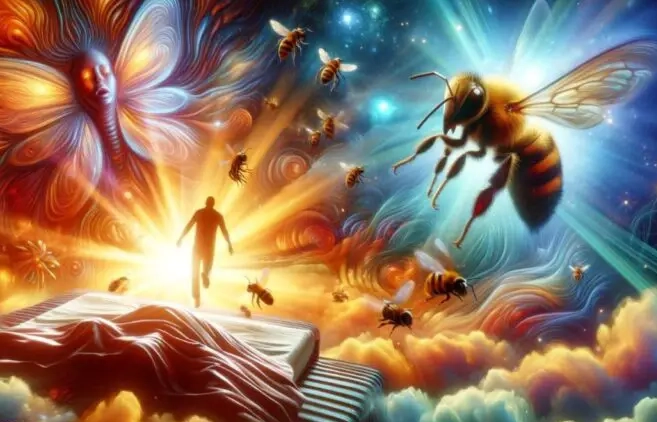
Common Symbolic Meanings
Think of bees as multitools of the dream world. They can symbolize:
- Productivity and diligence—that hive mind mentality. If you're dreaming of bees buzzing busily, it might reflect your own work ethic or a project you're juggling.
- Community and collaboration. Bees live in colonies, so a dream with a swarm could point to your social circles or team dynamics.
- Threat or anxiety. A stinging bee? That's often a sign of something 'stinging' you in real life, like criticism or a looming deadline.
- Sweetness and reward. Honey bees bring sweetness, so maybe your subconscious is hinting at a payoff coming your way.
But here's the kicker: many online sources stop here, making interpretations feel generic. I've talked to folks who dreamed of bees and felt lost because their dream didn't fit these neat boxes. That's why you need to dig deeper.
Cultural and Historical Perspectives
Bees have popped up in myths and stories for ages. In ancient Egyptian culture, bees were linked to royalty and obedience. Greek myths tied them to productivity—think of the bee as a symbol of Artemis. Even in modern psychology, Carl Jung mentioned bees as archetypes of industry. But don't just parrot these facts. The real insight is how your own background shapes the dream. If you grew up fearing bees, a dream bee might mean something totally different than for a beekeeper. I once worked with someone who associated bees with childhood summers, so their dream felt nostalgic rather than stressful.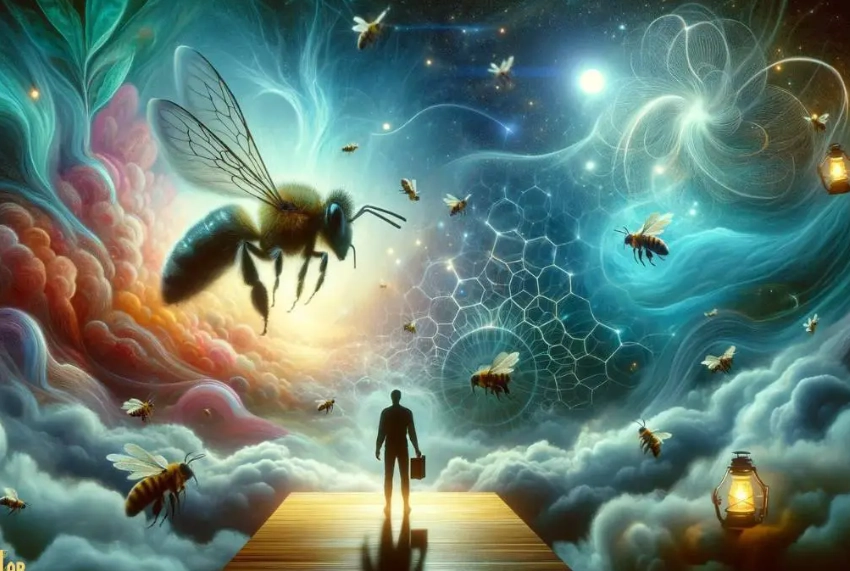
Personal take: I think we overcomplicate bee symbolism. At its core, a bee in a dream is often about balance—between work and play, individual and group, threat and reward. If your dream bee feels off, it's probably because something in your life is out of whack.
How to Interpret Your Bee Dream: A Step-by-Step Guide
Interpreting a bee dream isn't about guessing; it's a process. Skip steps, and you might misread the message. Here's a method I've refined after helping dozens of people decode their dreams.
Step 1: Recall the Dream Details Immediately
Write it down as soon as you wake up. Memory fades fast—I've lost count of how many times I've forgotten key details by breakfast. Note everything: the bee's color (was it yellow, black, or something unusual?), its actions (buzzing, stinging, flying erratically?), and your emotions (fear, curiosity, calm?). Even small things matter. A client once mentioned the bee was on a flower, which shifted the interpretation toward growth rather than threat.
Step 2: Analyze the Bee's Behavior
This is where most go wrong. They focus on the bee itself, not what it's doing. Ask yourself:
- Was the bee alone or in a group? A solitary bee might symbolize independence, while a swarm could mean overwhelm.
- Did it sting? If yes, what in your life feels like a 'sting'—maybe a harsh comment or a setback?
- Was it making honey? That could hint at creativity or rewards in progress.
I recall a dream where a bee was trapped in a jar. It felt frustrating, and later I realized it mirrored my feeling of being stuck in a job. The behavior—struggling to escape—was the clue.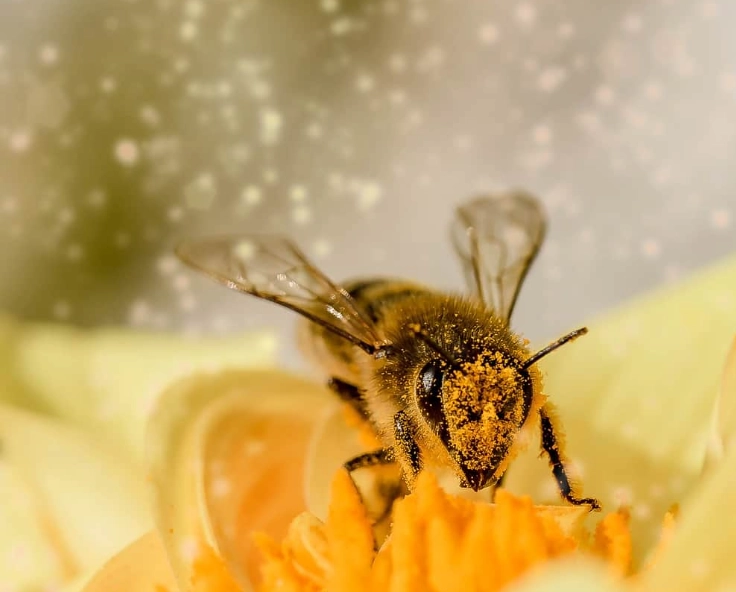
Step 3: Connect to Your Waking Life
Dreams don't exist in a vacuum. Look at your current situation. Are you stressed at work? Dealing with family drama? Planning a big project? Map the bee's symbolism to these areas. For example, if you dreamed of a bee hive and you're leading a team, it might reflect your role in organizing others. A common mistake is forcing a connection where there isn't one. If nothing fits, give it time—sometimes the meaning surfaces later.
Let's make this practical. Say you dreamed of a bee stinging you. Instead of panicking, ask: What recently 'stung' me emotionally? Was it a rejection, a failure, or a sharp word? Journaling this can reveal patterns.
Common Bee Dream Scenarios and Their Meanings
To save you time, I've compiled frequent bee dream scenarios based on my experience. Use this as a reference, but remember—your personal context tweaks the meaning.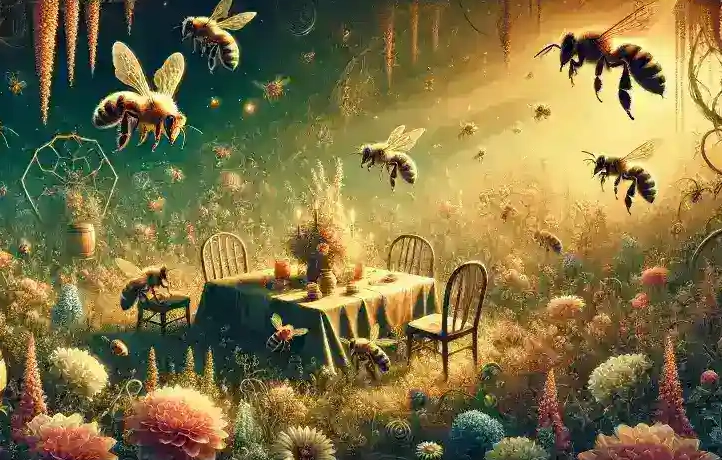
| Dream Scenario | Typical Interpretation | Expert Nuance (Often Missed) |
|---|---|---|
| Being chased by a bee | Anxiety or avoidance of a problem | It might not be fear—sometimes it's a nudge to confront something you're ignoring. I've seen this in people procrastinating on tough conversations. |
| Seeing a bee hive | Community, organization, or work projects | If the hive looks chaotic, it could signal disorganization in your life. A tidy hive? You might be over-structured, lacking spontaneity. |
| A bee stinging you | Pain, conflict, or sudden insight | The sting's location matters. Hand? Maybe something you're handling. Foot? Could be about your path or foundation being disrupted. |
| Bees swarming | Overwhelm, group dynamics, or collective energy | Swarming isn't always negative—it can indicate excitement or momentum. Check if the swarm felt threatening or exhilarating. |
| A dead bee | End of productivity, loss, or burnout | This often gets misinterpreted as pure negativity. It might symbolize the end of a stressful phase, offering relief rather than loss. |
Notice how the nuances add depth? That's what most guides skip. For instance, a bee dream during a career change might mean something totally different than during a family vacation. I had a client who dreamed of bees while starting a business—the swarm symbolized the chaotic but exciting early stages, not fear.
Mistakes to Avoid When Interpreting Bee Dreams
Here's where my 10 years of experience really pay off. I've seen people botch their interpretations by making these errors:
- Taking it too literally. A bee isn't always about actual bees. If you dream of a bee and then see one the next day, it's probably coincidence, not prophecy. Dreams use symbols, not direct messages.
- Ignoring your emotions. The feeling in the dream is key. A 'scary' bee versus a 'curious' bee changes everything. I once analyzed a dream where the bee was aggressive, but the dreamer felt fascinated—turns out, it was about embracing a challenging opportunity.
- Relying solely on online dictionaries. Those lists are starting points, not gospel. They often miss cultural or personal layers. For example, if you're allergic to bees, a dream bee might symbolize vulnerability, not productivity.
- Overlooking context. Did the dream happen during a stressful week? After a fight? Context shapes meaning. A bee dream after a promotion might reflect new responsibilities, not anxiety.
My biggest pet peeve? When people dismiss bee dreams as meaningless. They're not. Your subconscious is trying to tell you something—maybe about balance, effort, or hidden tensions. Skip the interpretation, and you might miss a useful insight.
Case study: A friend dreamed of a bee repeatedly during a job hunt. She thought it meant she should 'work harder,' but after we analyzed it, the bee was always hovering near flowers—symbolizing opportunities. It was a cue to network more, not just grind. She landed a job by reaching out to contacts, not by sending more resumes.
FAQ: Your Bee Dream Questions Answered
Wrapping up, dreaming of a bee is more than a quirky sleep story. It's a window into your subconscious, highlighting everything from your work habits to your social fears. Don't just skim the surface—grab a journal, note those details, and connect the dots. Your mind is buzzing with messages; it's time to listen.







Comments
Join the Conversation