In This Guide: Key Sections
- The Primate in Your Psyche: Common Takes on Monkey Dreams
- Your Dream Scenario Decoded: What Was That Monkey Up To?
- Why Your Brain Picks a Monkey: The Psychology Behind the Symbol
- A World of Meanings: How Culture Shapes Your Monkey Dream
- Your Personal Dreamwork Toolkit: How to Interpret YOUR Monkey Dream
- Frequently Asked Questions (The Stuff People Really Search For)
- What to Do Next: From Insight to Action
Okay, let's be honest. Waking up from a vivid dream featuring a monkey can leave you feeling pretty puzzled. Was it a good sign? A warning? Or just your brain throwing a weird movie at you after that late-night snack? I remember a friend telling me about a recurring dream where a monkey kept stealing her keys. She was obsessed with finding an answer. That got me digging, and honestly, most of the stuff online was either too vague (“monkey means mischief”) or way too out there. So, I decided to pull everything together – the psychology, the cultural stuff, the common scenarios – into one place. Think of this as your no-nonsense guide to figuring out what that monkey in dream scenario is trying to tell you.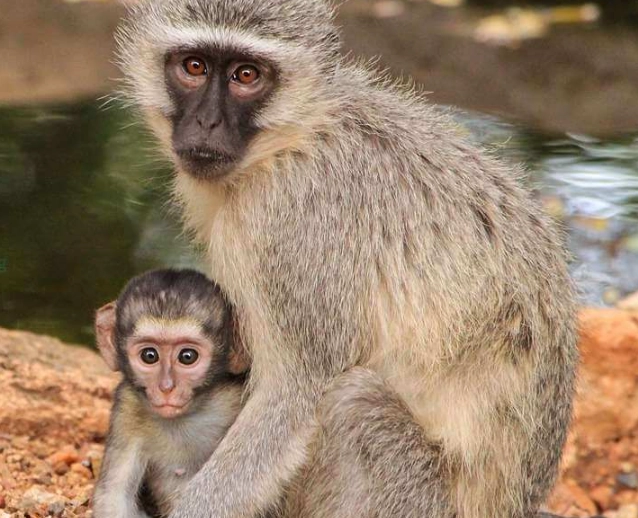
Here's the thing about dream interpretation: It's not a one-size-fits-all dictionary. A monkey in your dream meaning can swing wildly depending on what the monkey was doing, how you felt, and what's happening in your life. Anyone who gives you a single, fixed answer is probably oversimplifying.
We'll walk through this step by step. No fluff, just a clear path from “What did I just dream?” to “Okay, that might make sense for me.”
The Primate in Your Psyche: Common Takes on Monkey Dreams
Before we dive into the deep end, let's look at the most common interpretations people talk about. These are the themes that pop up across different sources and cultures when someone reports dreaming of monkeys.
The Playful Side (And Its Shadow)
This is the big one. Monkeys are often linked to playfulness, curiosity, and a desire for freedom. If the monkey in your dream was swinging happily, playing, or being amusing, it might be a nudge from your subconscious. Are you taking life too seriously? Is your inner child begging for some fun or creative expression? I sometimes get this dream when I've been stuck in a rigid work routine for too long. It's like my brain is sending a reminder to lighten up.
But the shadow side of playfulness is mischief, trickery, or chaos. A monkey causing trouble, throwing things, or creating a mess could point to feelings of disruption in your waking life. Maybe there's a “monkey wrench” someone threw into your plans. Or perhaps you feel like someone is “monkeying around” and not taking things seriously, causing you frustration.
The Symbol of Intelligence and Mimicry
Monkeys are clever. Dreaming of a watchful, intelligent monkey might relate to a situation requiring cleverness, problem-solving, or learning. Are you studying something new? Navigating a complex social or work situation?
Then there's mimicry. This is a powerful one. Monkeys imitate. Does the dream feel like it's highlighting imitation in your life? This could be flattering—someone looking up to you. Or it could feel unsettling—maybe you feel you're copying others and not living authentically, or someone is copying you in a way that bothers you. That sense of inauthenticity can really surface as a monkey in dream imagery.
Instincts, Unconscious Desires, and the “Wild” Self
Monkeys connect us to primal instincts and raw, unfiltered parts of ourselves. A dream with a wild, aggressive, or frightening monkey can be a signal. It might represent repressed anger, sexual desires, or basic urges that you feel are “uncivilized” or that society tells you to suppress. Psychologists might see this as your id knocking on the door of your consciousness. Not the most comfortable guest, but an important one to acknowledge.
A quick personal aside: I used to have dreams about monkeys in cages looking sad. It took me a while to connect it to feeling trapped in a job where I couldn't be my true, energetic self. The dream wasn't about the monkey; it was about me. That's the key shift in thinking.
So, those are the broad strokes. But to really get somewhere, you have to get specific. What was the monkey doing?
Your Dream Scenario Decoded: What Was That Monkey Up To?
The action in the dream is your biggest clue. Let's break down some common monkey in dream scenarios.
Dreaming of a Monkey Attacking You
This is a classic anxiety dream. It's intense and usually wakes people up feeling shaken. An attacking monkey often symbolizes an external problem or internal conflict that feels threatening and out of control.
- Is there a person or situation “attacking” your peace of mind? A hostile coworker, a demanding family obligation, or a looming deadline.
- It could represent a part of yourself you're at war with. Maybe your “wild” instincts or desires are clashing violently with your sense of duty or morality.
- Sometimes, it reflects a fear of being mocked or ridiculed (the biting mimicry).
The key question to ask yourself after such a dream: What in my life feels like it's coming at me with teeth bared?
A Monkey Sitting Quietly or Watching You
This can be more mysterious than an attack. A observing, calm monkey might represent your own intuition or a higher wisdom (think of the “see no evil, hear no evil, speak no evil” monkeys). It's watching, waiting, knowing.
Alternatively, it could symbolize a feeling of being watched, judged, or scrutinized. Do you feel under observation at work or in a relationship? The dream might be mirroring that discomfort.
A Monkey Talking or Giving You Something
Pay close attention here. If a monkey speaks in your dream, what it says could be a direct message from your subconscious, stripped of social filters. It might be blunt, silly, or profound.
A monkey handing you an object—a fruit, a tool, a shiny thing—could symbolize an offer, an opportunity, or a gift of insight from your instinctual self. What was the object? Its meaning in your life might be the real message.
Baby Monkeys or a Whole Troop
A baby monkey often connects to themes of nurturing, vulnerability, or a new, playful project or idea that needs care. Are you neglecting a creative “baby”?
Seeing a troop or many monkeys amplifies the social aspect. It could relate to your family dynamic, your social circle, or your workplace team. Is the troop harmonious or chaotic? That's likely a reflection of how you perceive that group.
Look, some dream dictionaries will just say “monkey means mischief” and call it a day. I find that pretty useless. You need to connect it to your life.
Why Your Brain Picks a Monkey: The Psychology Behind the Symbol
Dreams aren't random. Our brains use symbols as shortcuts to process emotions and experiences. So why a monkey? Organizations like the American Psychological Association (APA) discuss how dreams facilitate emotional processing and memory consolidation. The monkey, as a symbol, packs a punch because it sits at a fascinating crossroads in the human mind.
From a Freudian lens, the monkey might represent primal drives (the id) that society forces us to restrain. A Jungian perspective, which I find more useful for most people, might see the monkey as a facet of the “shadow self”—the parts of our personality we reject or ignore. That playful, mischievous, instinctual, sometimes messy part we hide to be “respectable.” Dreaming of a monkey, especially one causing trouble, can be an invitation to integrate that shadow, to acknowledge those parts of yourself without judgment.
Modern cognitive theory suggests dreams are like a therapy session for the brain. A monkey in dream could be your brain's way of playing out social anxieties (fear of looking foolish), processing feelings of imitation or competition, or rehearsing solutions to problems requiring cleverness.
Quick Reality Check: Does a Monkey Dream Predict the Future?
Let's squash this one. No credible psychological or scientific body supports dreams as literal psychic predictions. A dream about a monkey isn't a fortune-telling event. It's a reflection—sometimes distorted, sometimes crystal clear—of your current inner world. Interpreting it is about understanding yourself better now, not predicting tomorrow's lottery numbers.
But your personal psychology is only one layer. Culture pours a huge amount of meaning into these symbols.
A World of Meanings: How Culture Shapes Your Monkey Dream
This is where it gets really interesting. Your cultural background can heavily influence the flavor of your dream interpretation. A monkey in dream meaning in India is profoundly different from its meaning in a Western folk tale. Ignoring this context is a big mistake many online guides make.
| Culture/Region | Common Monkey Symbolism | Potential Dream Meaning Influence |
|---|---|---|
| Chinese Culture | The Monkey King (Sun Wukong) represents rebellion, resourcefulness, transformation, and magical power. A trickster-hero. | A dream monkey might symbolize a desire to break free from constraints, use cleverness to overcome obstacles, or tap into hidden strengths. |
| Hinduism (Indian Culture) | Lord Hanuman, the monkey god, is a symbol of devotion, strength, loyalty, and selfless service. | Dreaming of a monkey could be an auspicious sign related to gaining strength, overcoming challenges with help, or a call to devotional service. It's rarely negative. |
| African Folklore | Often appears as a clever trickster figure (like Anansi, though a spider, serves a similar role). Represents intelligence, survival, and sometimes overreaching cunning. | Might highlight a situation requiring wit and clever strategy, or warn against being too clever for your own good. |
| Western/Medieval Christian | Historically, often associated with the devil, sin, lust, and base animal nature. Mimicry was seen as mocking God's creation. | This can linger in the collective unconscious, giving some people's monkey dreams a more negative, guilt-ridden, or anxious tone. |
| Modern Western Pop Culture | Ranges from cute and funny (Curious George) to wise and mystical (Rafiki from The Lion King). | Your personal associations with movie or book monkeys can directly color your dream. A Rafiki-like monkey might feel like a guide. |
See the difference? If you grew up with stories of Hanuman, your dream might feel empowering. If your background includes more of the medieval “sinful beast” imagery, the same dream might trigger unease. The International Association for the Study of Dreams (IASD) is a great resource for exploring these cross-cultural perspectives in more depth.
So, you've got the common meanings, the specific actions, the psychology, and the culture. How do you actually use this to understand your dream?
Your Personal Dreamwork Toolkit: How to Interpret YOUR Monkey Dream
Forget generic interpretations. Here’s a practical, step-by-step method you can do right now.
- Recall & Record Immediately: Keep a notebook by your bed. The second you wake up, write down everything. Don't censor. What was the monkey doing? Color, size, location? Most importantly, what was YOUR primary emotion in the dream? Fear? Amusement? Curiosity? Awe? This emotion is your North Star.
- Identify Life Parallels (The “Where Else?” Test): Look at your current life. Where else do you feel that same emotion? Is there a situation at work that makes you feel mischievous? A relationship that makes you feel trapped or wild? A project where you need to be clever? A part of yourself you're trying to cage? This is the most crucial link.
- Consider the Monkey's Role: Was it a mirror (showing you a part of yourself)? A messenger (bringing insight)? A warning (highlighting a problem)? Or simply a representation of another person in your life?
- Synthesize, Don't Just Translate: Don't say “monkey = X.” Say, “The feeling of being chased by a playful but annoying monkey might connect to my feeling that my younger brother's constant jokes are starting to feel intrusive rather than funny.” See the difference? It's a hypothesis, not a decree.
I’ve found that the dreams that bother us most—the scary or confusing ones like an attacking monkey in dream—are often the most valuable. They point directly to the thing we’re trying not to look at.
Frequently Asked Questions (The Stuff People Really Search For)
Let's tackle some of the specific, real questions people type into Google after they've had this dream. This is where we cover the blanks other articles leave.
What to Do Next: From Insight to Action
So you've done the work. You have a plausible connection between your monkey dream and your life. Now what?
- If it highlighted a need for play: Schedule something fun and pointless this week. Seriously. Put it in your calendar.
- If it pointed to feeling judged or imitated: Have a gentle conversation with yourself. Is this perception real? If so, can you address it or let it go?
- If it revealed a repressed part of yourself (the “wild” monkey): Find a safe, constructive outlet. Channel that energy into a physical activity, art, or a candid conversation.
- If it mirrored an external conflict (the attacking monkey): Develop a plan to address the real-life situation, even if it's just setting a boundary or brainstorming solutions.
The goal isn't to make the dream go away. The goal is to listen to it, so your subconscious feels heard and maybe doesn't need to shout the same message again.
At the end of the day, your dream is yours. A monkey in dream is a powerful, multifaceted symbol. It can be a trickster, a guide, a mirror, or a warning. The best interpretation will always consider the specific animal's behavior, your emotional response, and the current landscape of your waking life.
My friend with the key-stealing monkey? She realized it started when she began a new, high-responsibility role. The “keys” symbolized control and access. The monkey stealing them reflected her deep-seated fear of being unprepared and having her competence (“control”) taken away. Understanding that didn't stop the dream immediately, but it took the fear out of it. She could say, “Ah, there's my anxiety monkey again,” and work on building her confidence in the new role instead of fearing the dream itself.
That's the real power. It's not about decoding a secret language. It's about using the strange, vivid stories our minds create at night to understand our daylight selves a little better. So next time you see a monkey in your dream, get curious, not worried. Grab your notebook and see what it has to show you.




Comments
Join the Conversation